
ProgramsBELIEVE-Urban Study
Sixty thousand Mirpur residents, followed for decades.
A prospective cohort of nearly 60,000 residents in Mirpur, Dhaka, investigating how environmental, behavioural and biological factors shape non-communicable diseases — a collaboration between NHFH&RI and the University of Cambridge.
BELIEVE stands for the Bangladesh Longitudinal Investigation of Emerging Vascular and Non-vascular Events. The urban arm is run by the department with the University of Cambridge, since 2016.
- 59,844
- Participants
- 31,713
- Households
- >300
- Variables
- 2016
- Study start
01About the cohort
A living bioresource for NCD epidemiology in Bangladesh
Initiated in 2016 to address the growing burden of non-communicable diseases, BELIEVE-Urban is one of the largest prospective cohorts ever assembled in Bangladesh.
The BELIEVE Urban Study is a large population-based prospective cohort conducted in Mirpur, Dhaka, as part of the broader Bangladesh Longitudinal Investigation of Emerging Vascular and Non-vascular Events. It was initiated in 2016 to establish a high-quality epidemiological platform for long-term research on cardiovascular and metabolic disorders.
The cohort includes 59,844 participants recruited from 31,713 households within the Mirpur urban catchment area. The study is implemented by the Department of Epidemiology and Research at the National Heart Foundation Hospital & Research Institute (NHFH&RI) in collaboration with the University of Cambridge, and is locally led by Professor Sohel Reza Choudhury.
The primary objective is to examine the determinants and progression of major non-communicable diseases — particularly cardiovascular disease, diabetes, hypertension and other metabolic disorders. The study integrates demographic, socioeconomic, behavioural, environmental, clinical and biological data so investigators can explore the complex interactions between social, environmental and biological determinants of disease.
Participants undergo baseline assessment including questionnaire-based interviews, anthropometry, blood pressure evaluation and biological sample collection. Specimens support biochemical testing and advanced molecular analyses — including genomics and proteomics — enabling investigation of the pathways that underlie cardiovascular and metabolic disease.
Follow-up rounds are conducted periodically to identify incident events and track changes in risk profiles. The third round of follow-up is currently under way, with around 50% of participants already reassessed. Findings from the cohort aim to inform national prevention strategies, guide health policy, and strengthen Bangladesh's research capacity in chronic disease epidemiology.
02Study setting
Mirpur, Dhaka, Bangladesh
The BELIEVE-Urban cohort spans the dense urban wards of Mirpur in northern Dhaka — a population of ~2 million within one of the world's most rapidly urbanising megacities. Participants were recruited across 31,713 households in the Mirpur catchment area.
- Mirpur population
- ~2.0M
- Catchment households
- 31,713
- Participants enrolled
- 59,844
- Follow-up rounds
- 3
Mirpur's density and its fast-changing risk environment make it a place where the emergence of non-communicable disease in a low- and middle-income city can be studied closely, and where prevention approaches can be tested before being scaled to the rest of Bangladesh.
View on OpenStreetMap03Study design
5 data streams, one cohort
Every participant contributes across complementary streams, from questionnaires to genomic analyses, so social, environmental and biological determinants of disease can be studied side by side.
01
Questionnaire
>300 variables
Detailed interviews covering demographics, socioeconomic status, behavioural risk factors, medical history, and environmental exposures for every enrolled participant.
02
Anthropometry & BP
Clinical measurements
Standardised anthropometric assessments, blood pressure readings, and behavioural risk factor profiling captured at baseline and each follow-up wave.
03
Biological Samples
Serum · Plasma · Whole blood · Nail
A long-term biobank of serum, plasma, whole blood and nail samples enabling biochemical testing and molecular epidemiology for decades to come.
04
Genomics & Multi-omics
Advanced molecular analyses
Genomic, proteomic and metabolomic profiling of stored specimens to uncover biological pathways underlying cardiovascular and metabolic diseases.
05
Longitudinal Follow-up
MI · Stroke · Diabetes · Cancer
Periodic follow-up rounds track incident events and risk-factor trajectories. Round 3 is currently under way with around 50% of participants already reassessed.
Nested Sub-study
Nightingale Dried Blood Spot (DBS) pilot
Approximately 2,000 participants provided paired DBS and venous blood samples to assess the feasibility and validity of dried-blood testing for large-scale epidemiological surveillance across Bangladesh.
~2kPaired samples
04Timeline
From first ethical clearance to the third follow-up
2015
Ethical approval
BMRC/NREC first clearance granted (Oct 2015), laying the regulatory foundation.
2016
Cohort initiated
BELIEVE-Urban enrollment launched in Mirpur, Dhaka through an NHFH&RI × Cambridge collaboration.
2017–2019
Baseline completed
59,844 participants from 31,713 households enrolled with questionnaire, clinical and biospecimen data.
2020–2023
Follow-up rounds
Periodic follow-up waves track incident events and changing risk profiles.
2024
Cohort profile published
Study design and baseline characteristics published in BMJ Open.
2025 → Present
Round 3 follow-up
Third follow-up wave under way — ~50% of participants already reassessed.
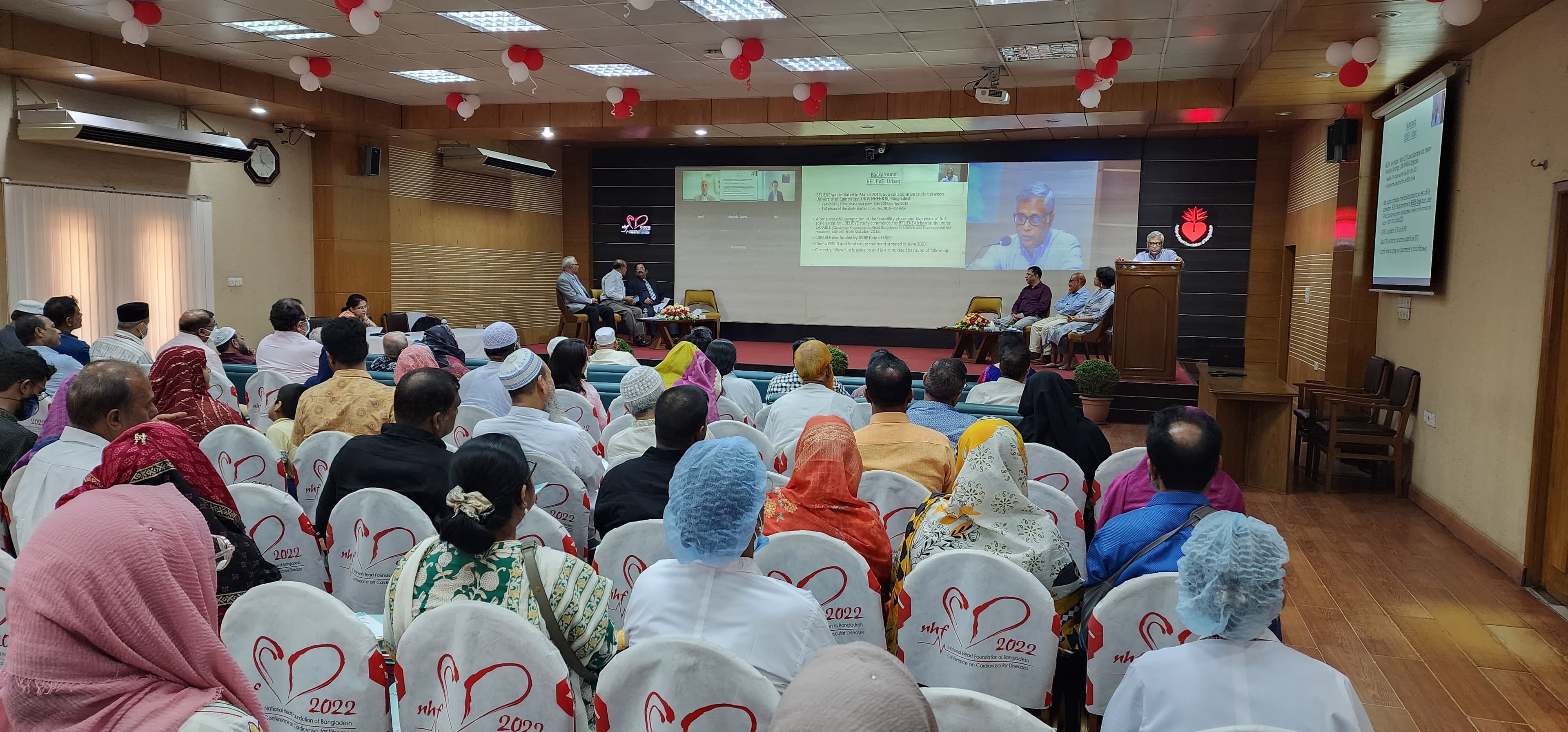
05In the field
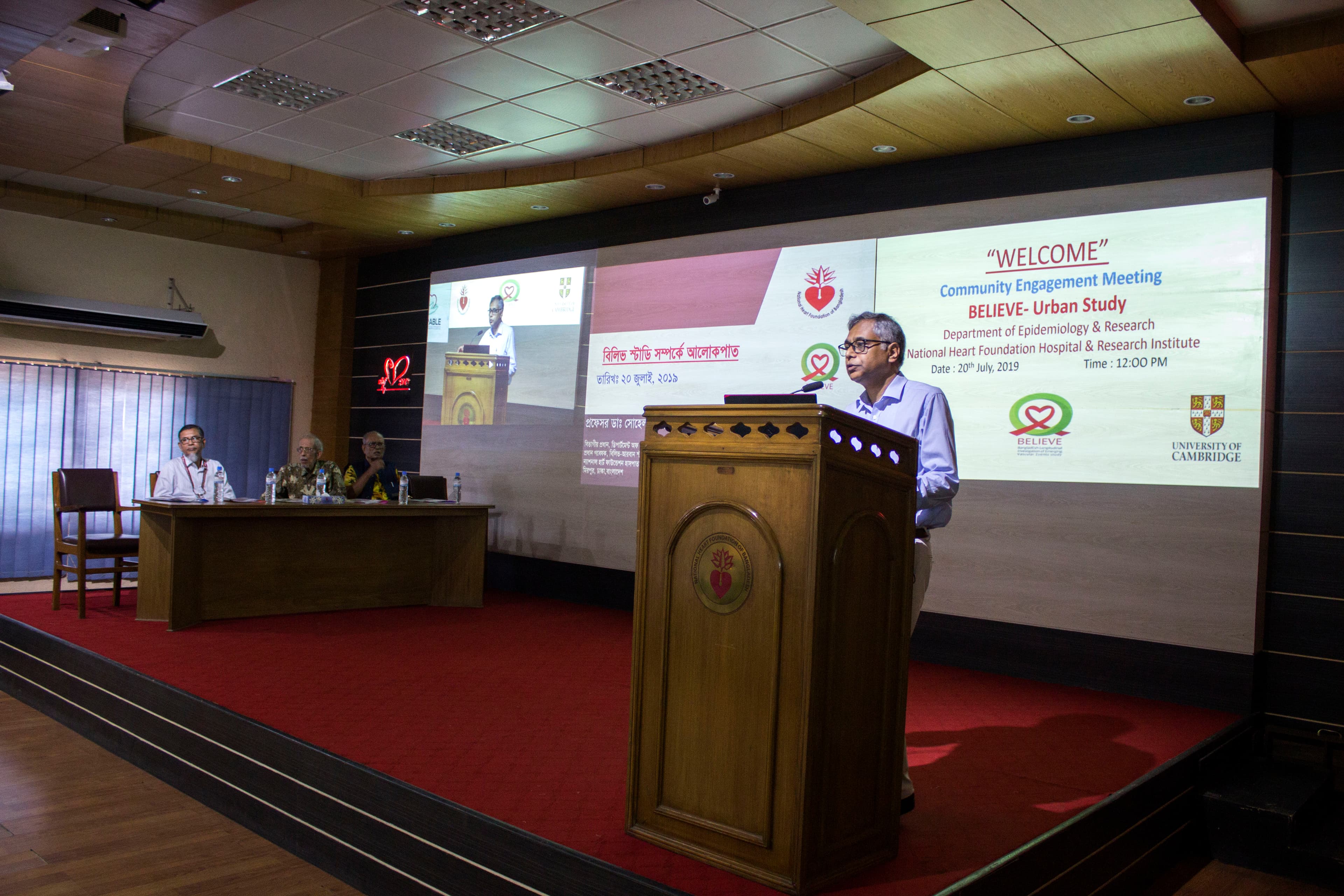
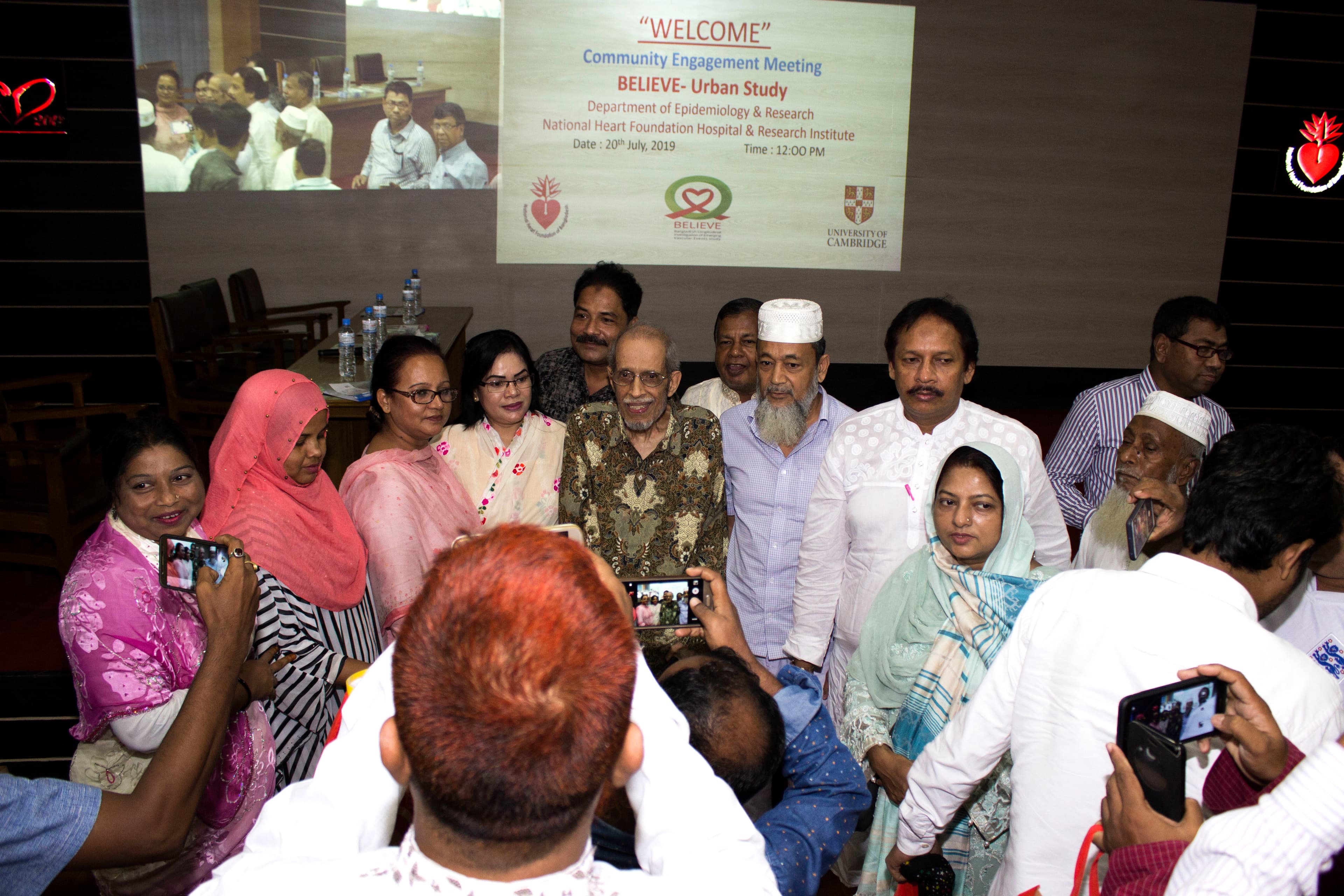
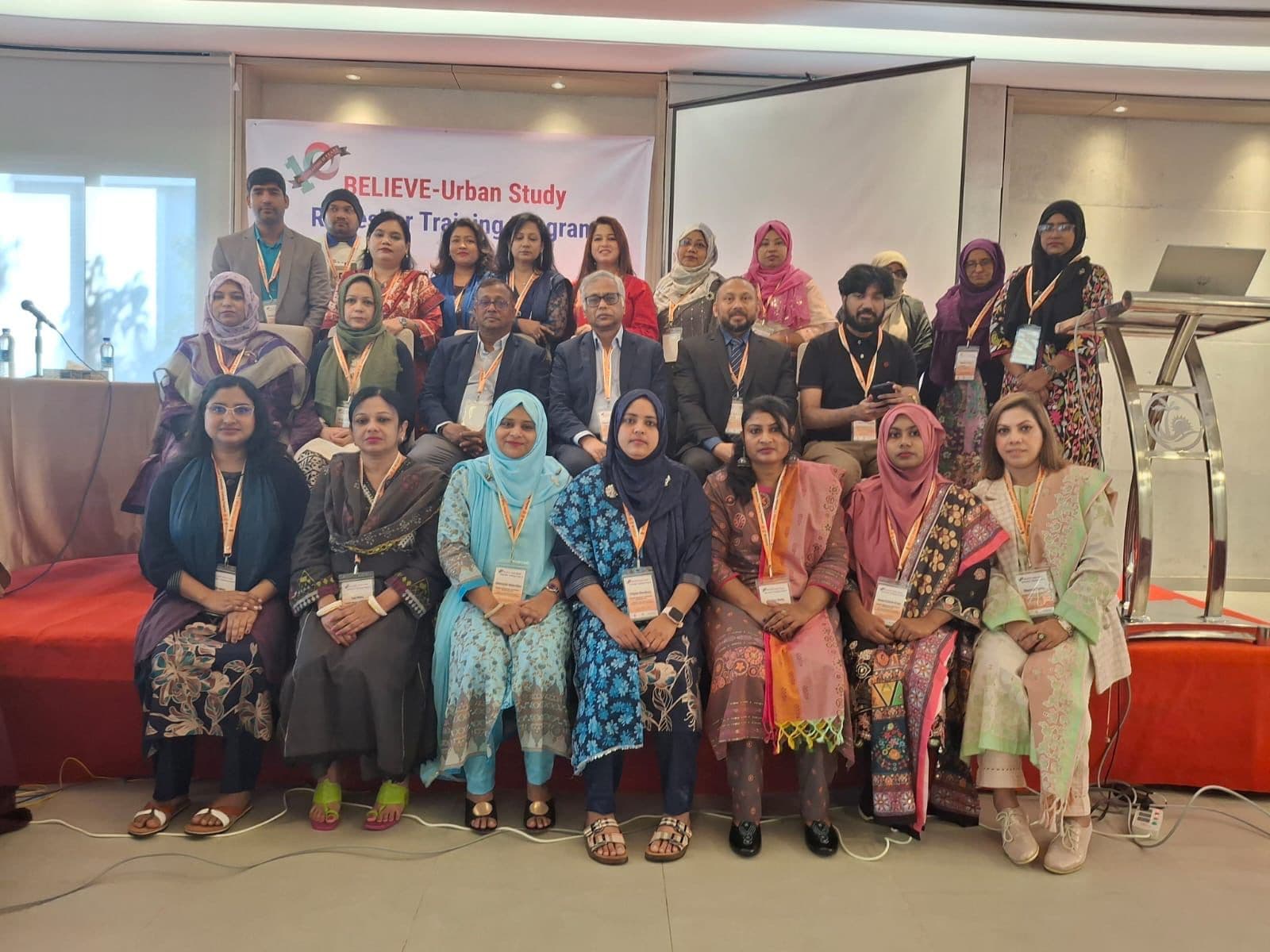
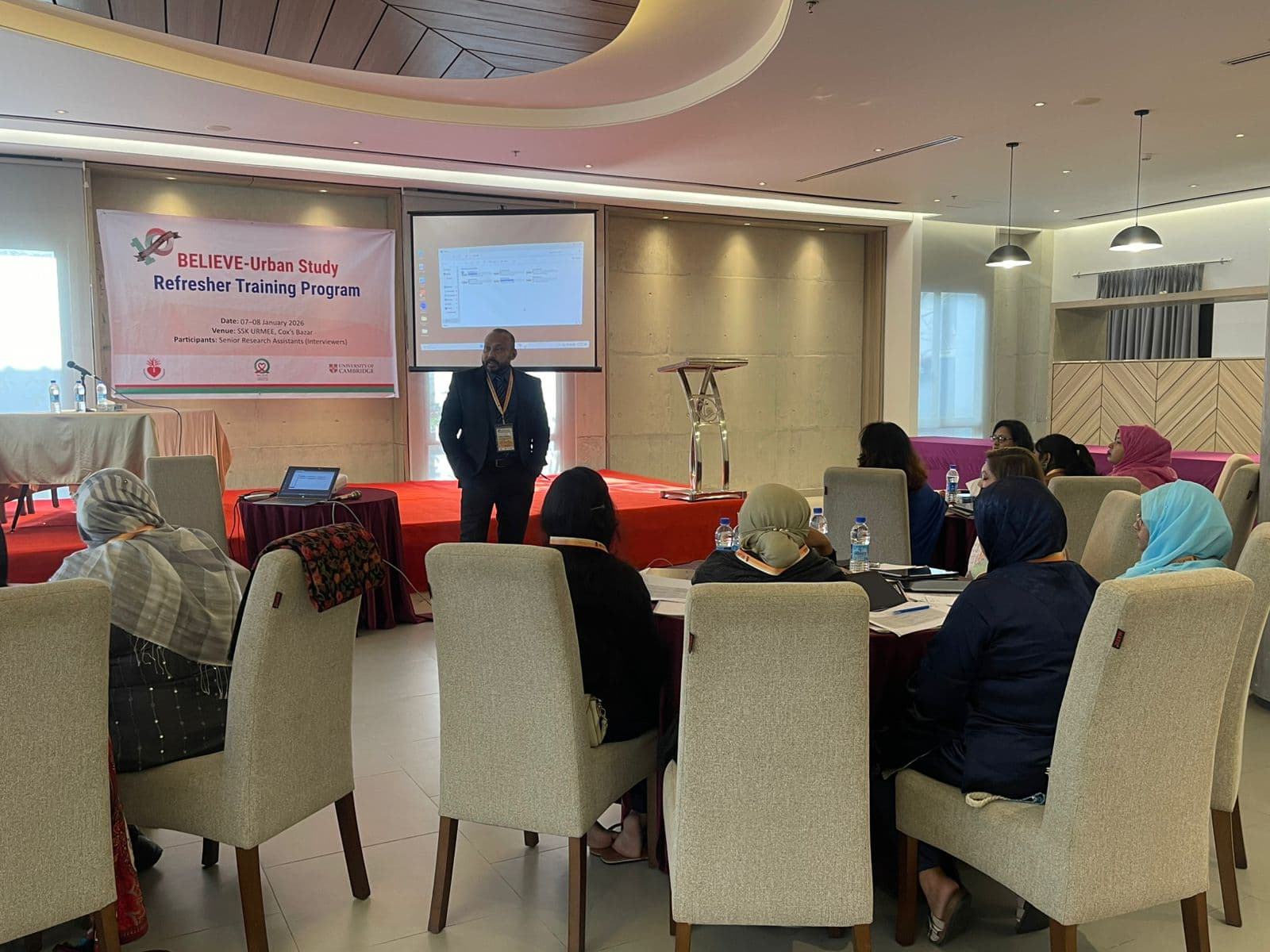
Community meetings, training and seminars
06Publications
Papers from the cohort
2 peer-reviewed papers so far, drawn from the department's publications database as they are added.
Cohort profile: the BangladEsh Longitudinal Investigation of Emerging Vascular and nonvascular Events (BELIEVE) cohort study
doi: 10.1136/bmjopen-2024-088338
Gender differences in type 2 diabetes treatment and management: a qualitative study in an urban slum population from Dhaka, Bangladesh
doi: 10.1186/s12939-025-02611-2
Cite the cohort
If the BELIEVE-Urban Study supports your work, please cite the cohort profile paper.
APA
Rajiv Chowdhury, Nusrat Khan, Lisa A M Pennells, Maria LC Iurilli, Md Taslim Uddin Miah, Md Mostafa Monower, et al. (2025). Cohort profile: the BangladEsh Longitudinal Investigation of Emerging Vascular and nonvascular Events (BELIEVE) cohort study. BMJ Open. https://doi.org/10.1136/bmjopen-2024-088338
BibTeX
@article{rajiv2025,
  title   = {Cohort profile: the BangladEsh Longitudinal Investigation of Emerging Vascular and nonvascular Events (BELIEVE) cohort study},
  author  = {Rajiv Chowdhury, Nusrat Khan, Lisa A M Pennells, Maria LC Iurilli, Md Taslim Uddin Miah, Md Mostafa Monower, K M Thouhidur Rahman, Sharraf Samin, Kazi Nazmus Saqeeb, Ishrat Tasmin, Eleanor Farrow, Samantha Farrow, Ank Michielsen, Catherine Perry, Sarah Spackman, Charlotte van Coeverden, Matthew P. Walker, Tahmeed Ahmed, James W. Ajioka, Khondker Abdul Abdul Awal, Adam S. Butterworth, Evangelia Chatzidiakou, Jörg Feldmann, Richard Andrew Fenner, Meerjady Sabrina Flora, Tuhin Haque, Sarah Hawkes, Syed Shariful Islam, Sirajul Islam, Roderic L. Jones, Stephen K. Kaptoge, Kamrul Hasan Khan, LAWRENCE PETER KING, Shammi Luhar, Abdul Malik, Fazila‐Tun‐Nesa Malik, Ruchira Tabassum Naved, Aliya Naheed, Olalekan Popoola, Rubhana Raqib, Tahmina Shirin, Stephen R. Sutton, Kim Robin van Daalen, Angela Wood, Simon Griffin, Nicholas J. Taylor, Md. Khalequzzaman, Md Alfazal Khan, Sohel Reza Choudhury, Emanuele Di Angelantonio, John Danesh},
  journal = {BMJ Open},
  year    = {2025},
  doi     = {10.1136/bmjopen-2024-088338},
  url     = {https://doi.org/10.1136/bmjopen-2024-088338},
}07Why it matters
Evidence that shapes prevention in Bangladesh
The BELIEVE cohort provides evidence to support national strategies for the prevention and control of cardiovascular and other non-communicable diseases in Bangladesh.
By engaging tens of thousands of residents in Mirpur, the study has created an opportunity for participants to learn more about their own health — through blood-pressure checks and other clinical assessments — and to contribute to research that aims to improve the health of future generations in Bangladesh. Many participants have expressed appreciation for increasing awareness of cardiovascular risk factors, including hypertension and diabetes, within their community.
08Investigators
A Dhaka and Cambridge team
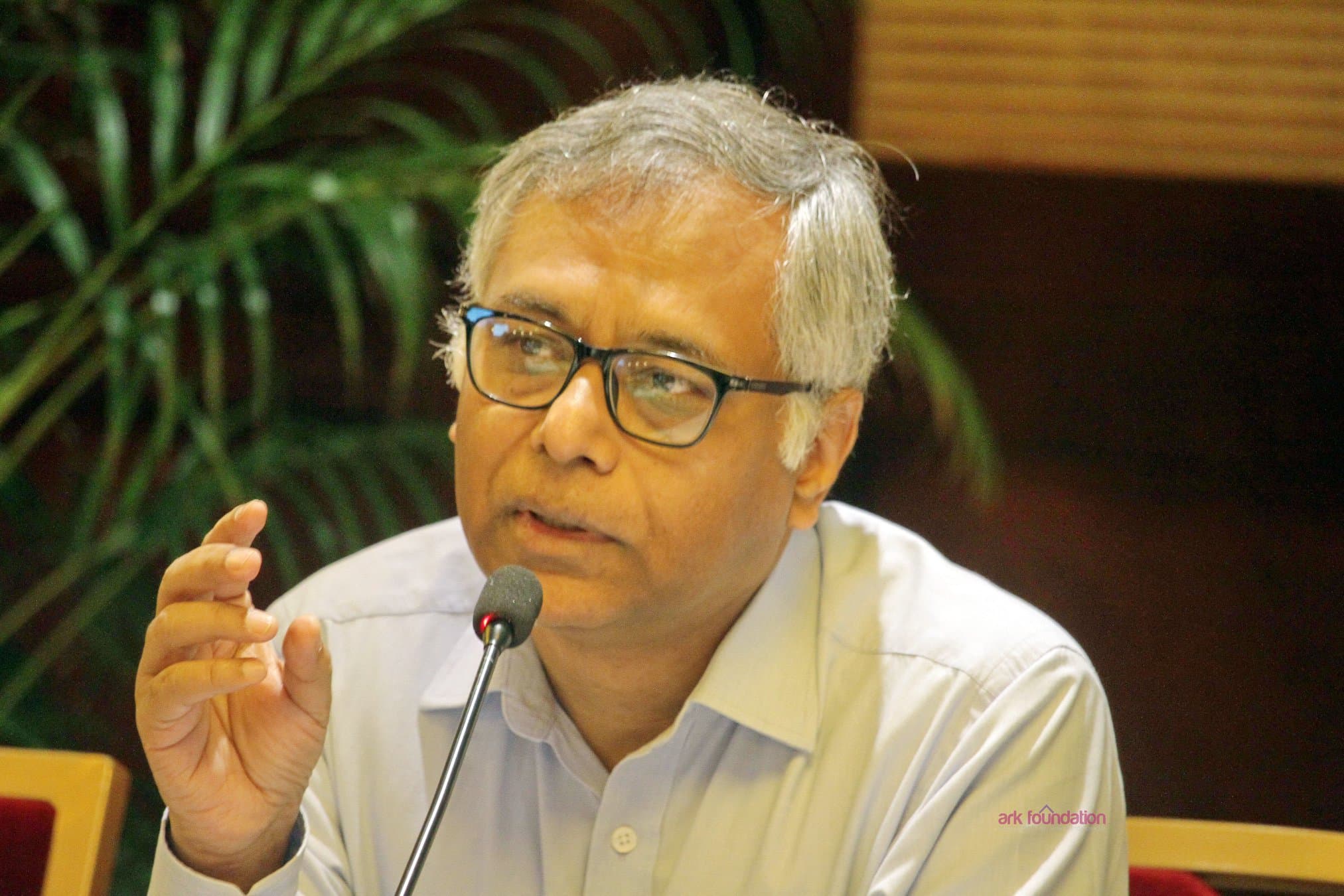
Prof. Sohel Reza Choudhury
Principal Investigator (Bangladesh)
Professor & Head, Department of Epidemiology and Research, National Heart Foundation Hospital & Research Institute, Dhaka
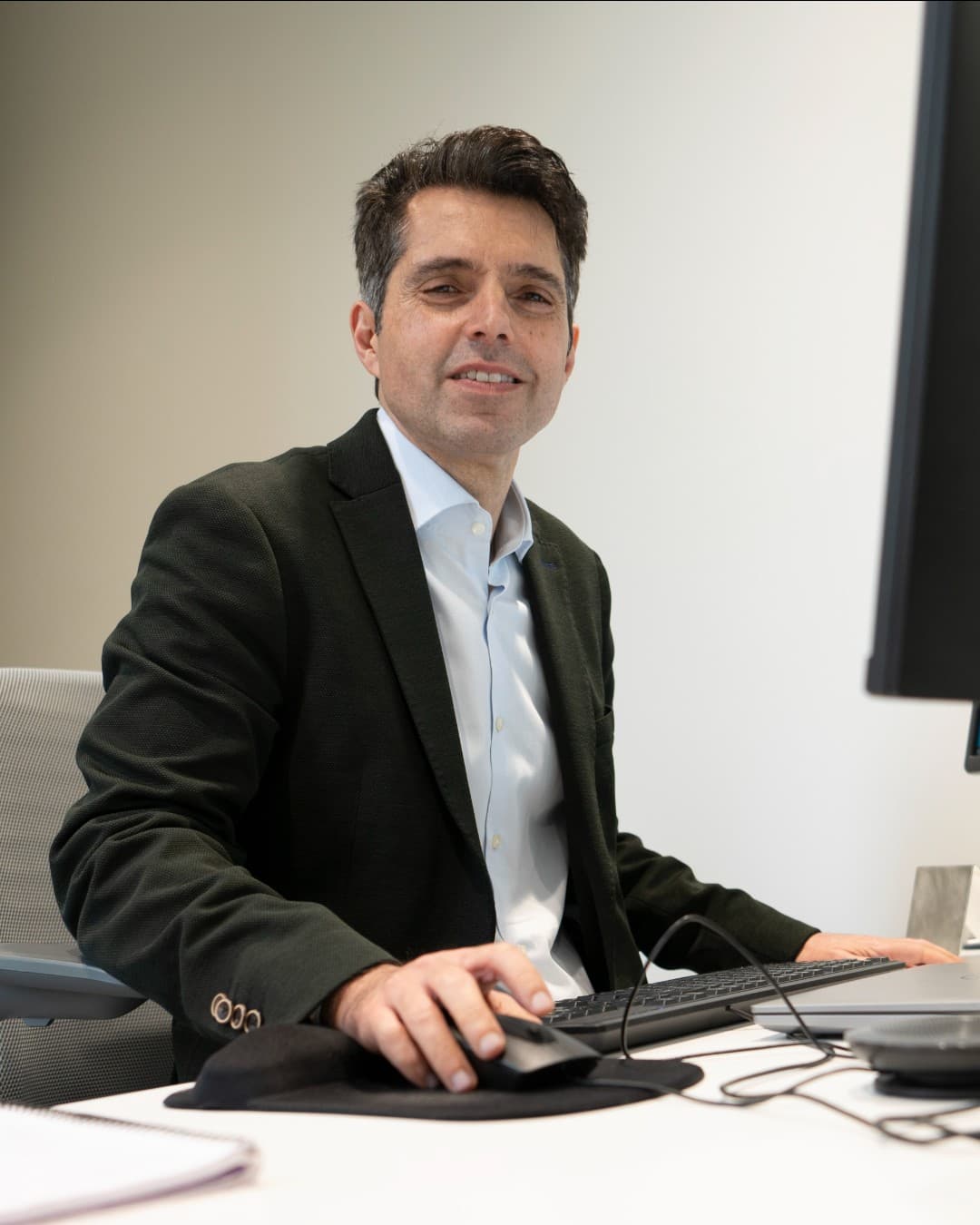
Prof. John Danesh
Principal Investigator (UK)
University of Cambridge, United Kingdom
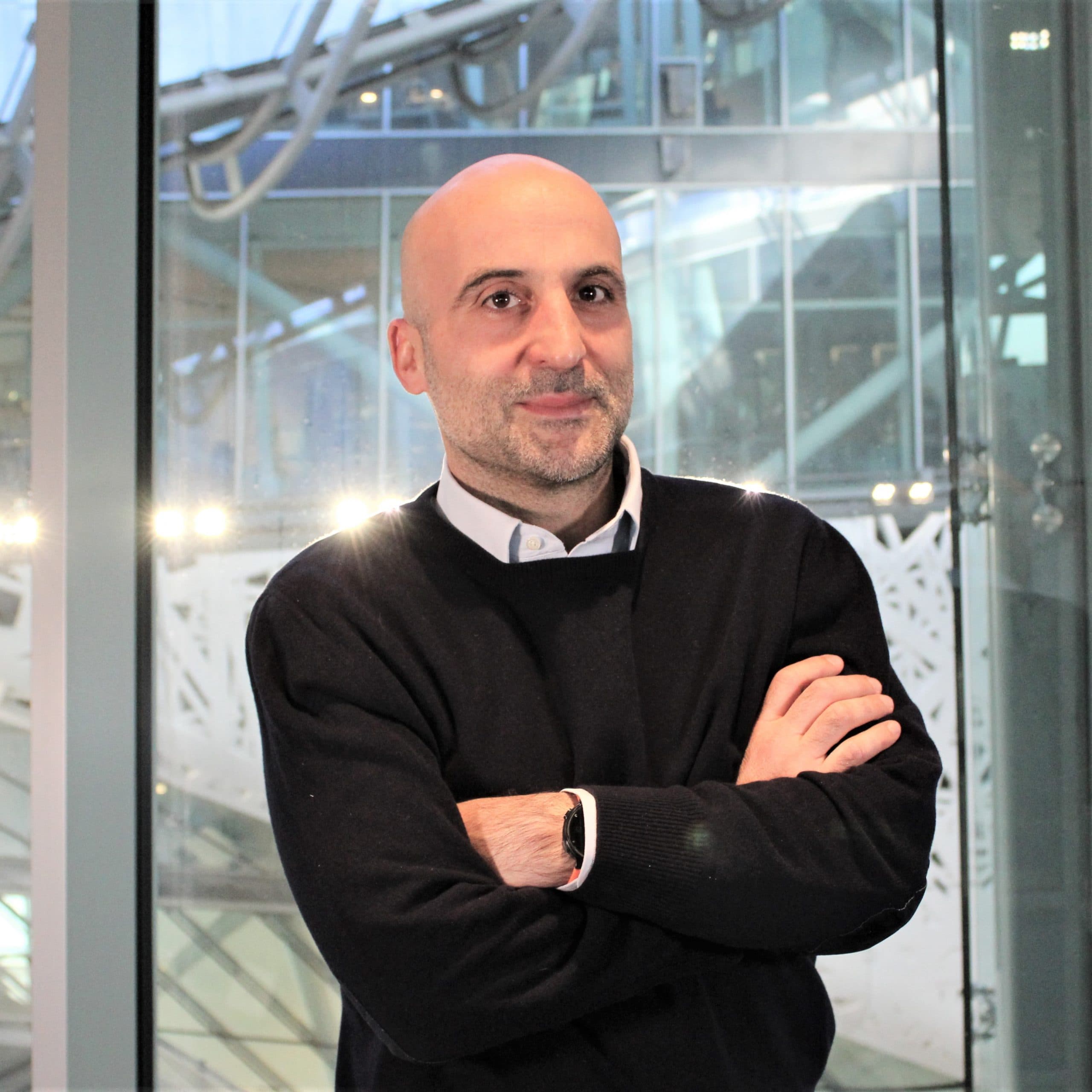
Prof. Emanuele Di Angelantonio
Co-Principal Investigator
University of Cambridge, United Kingdom
09Partners
Institutions behind the study

National Heart Foundation Hospital & Research InstituteImplementing institutionDhaka, Bangladesh

University of CambridgeScientific partnerCambridge, United Kingdom

UKRI Medical Research CouncilPrimary funderUnited Kingdom
- CAP
CAPABLE ConsortiumFunding mechanismUKRI Global Challenge Research Fund
- BMRC
Bangladesh Medical Research CouncilEthical oversightDhaka, Bangladesh

Bangladesh Medical UniversityEthical oversight (formerly BSMMU)Dhaka, Bangladesh
10Funding and ethics
Independently funded, continuously reviewed
Funding
- Funder
- UK Medical Research Council (MRC) / UKRI
- Mechanism
- Funded through the UKRI Global Challenge Research Fund via the CAPABLE consortium, University of Cambridge, UK.
- Principal investigator, Bangladesh
- Prof. Sohel Reza ChoudhuryProfessor & Head, Department of Epidemiology and Research, National Heart Foundation Hospital & Research Institute, Dhaka
Ethical approvals
Each study round is approved by the Bangladesh Medical Research Council (BMRC) and Bangladesh Medical University (BMU, formerly BSMMU). Informed consent is obtained from every participant and data are de-identified for analysis, in line with the Declaration of Helsinki.
- BMRC/NREC/2013–2016/390 · 15 Oct 2015
- BMRC/NREC/2016–2019/243 · 07 Jun 2017
- BSMMU/2019/1185
- BSMMU/2022/2069
- BSMMU/2024/803(A)
- BSMMU/2024/11905
- BMU/2025/17318
11Follow the study
Follow the BELIEVE journey
For the latest news, publications and community updates from the BELIEVE-Urban Study, visit the official study website.