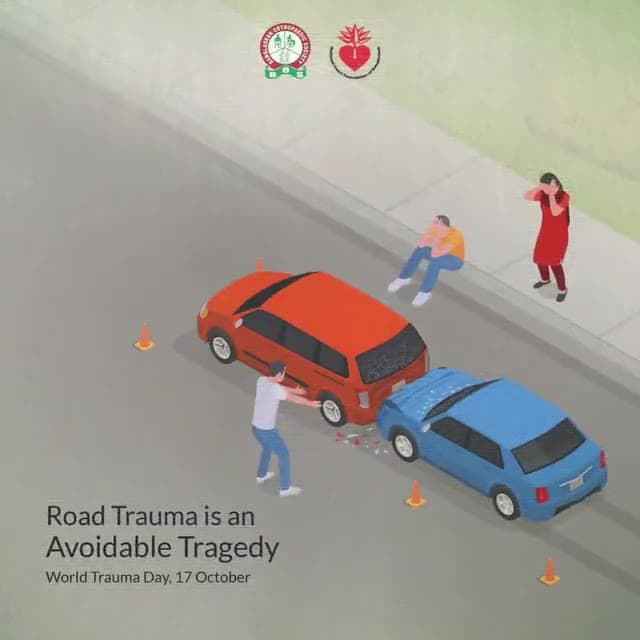
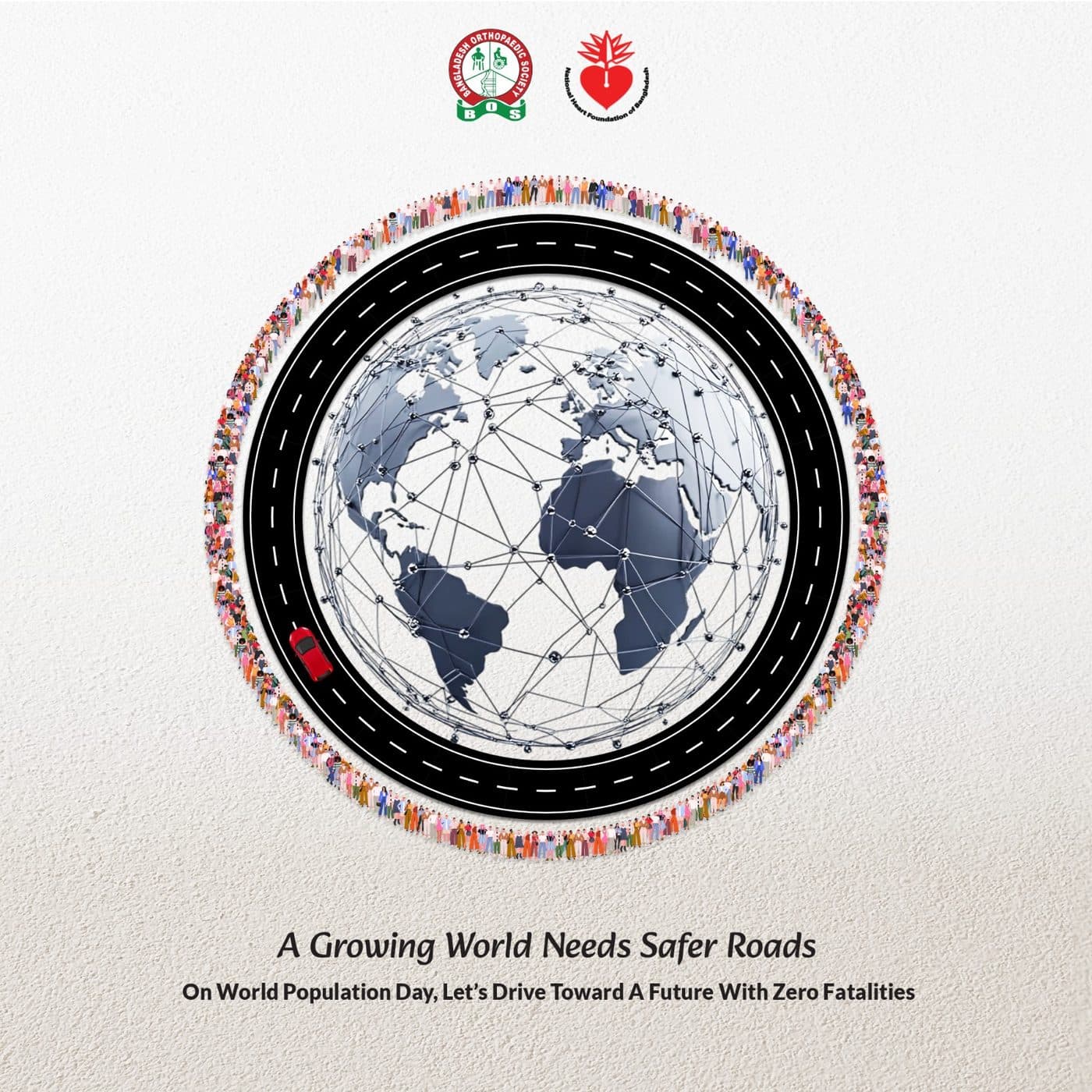
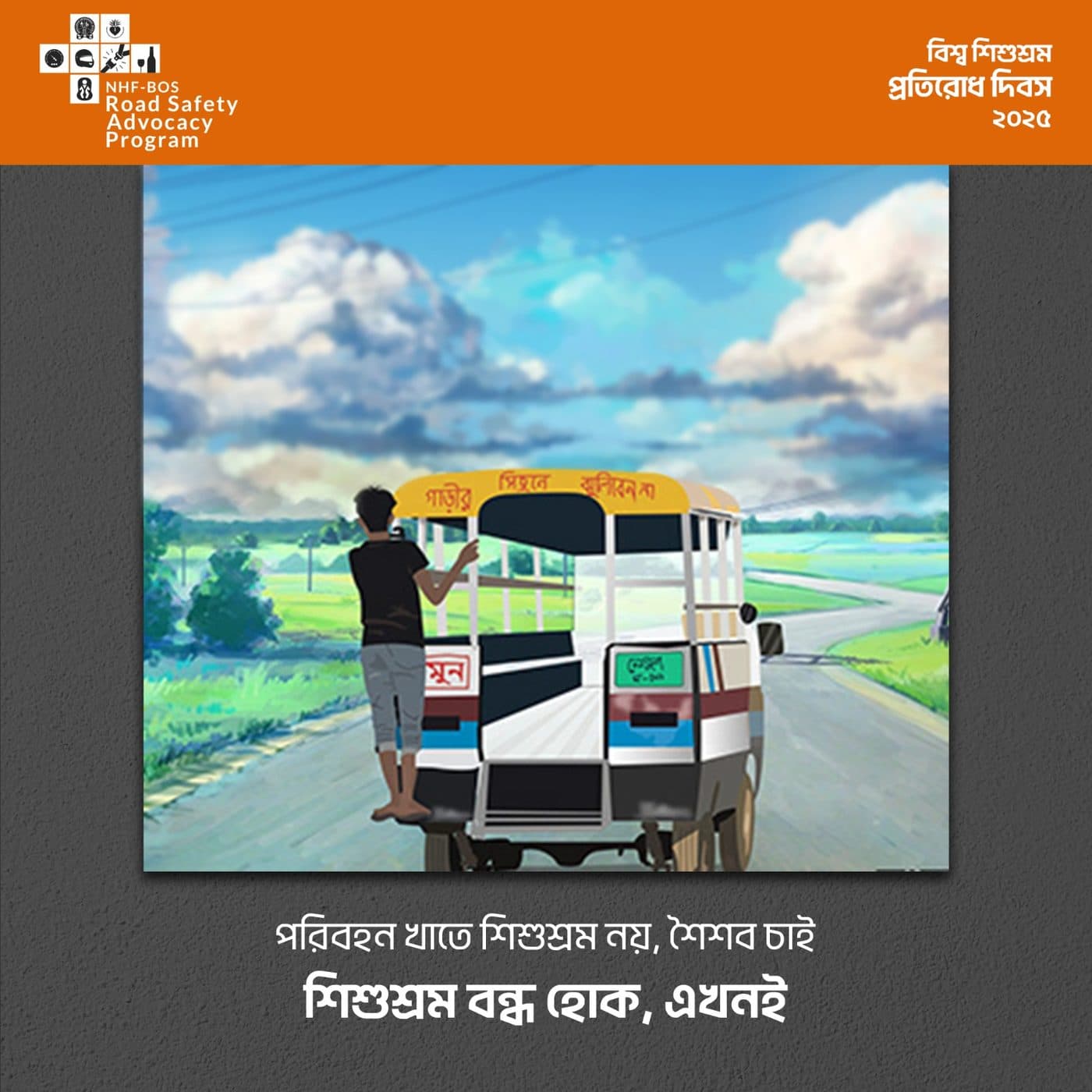
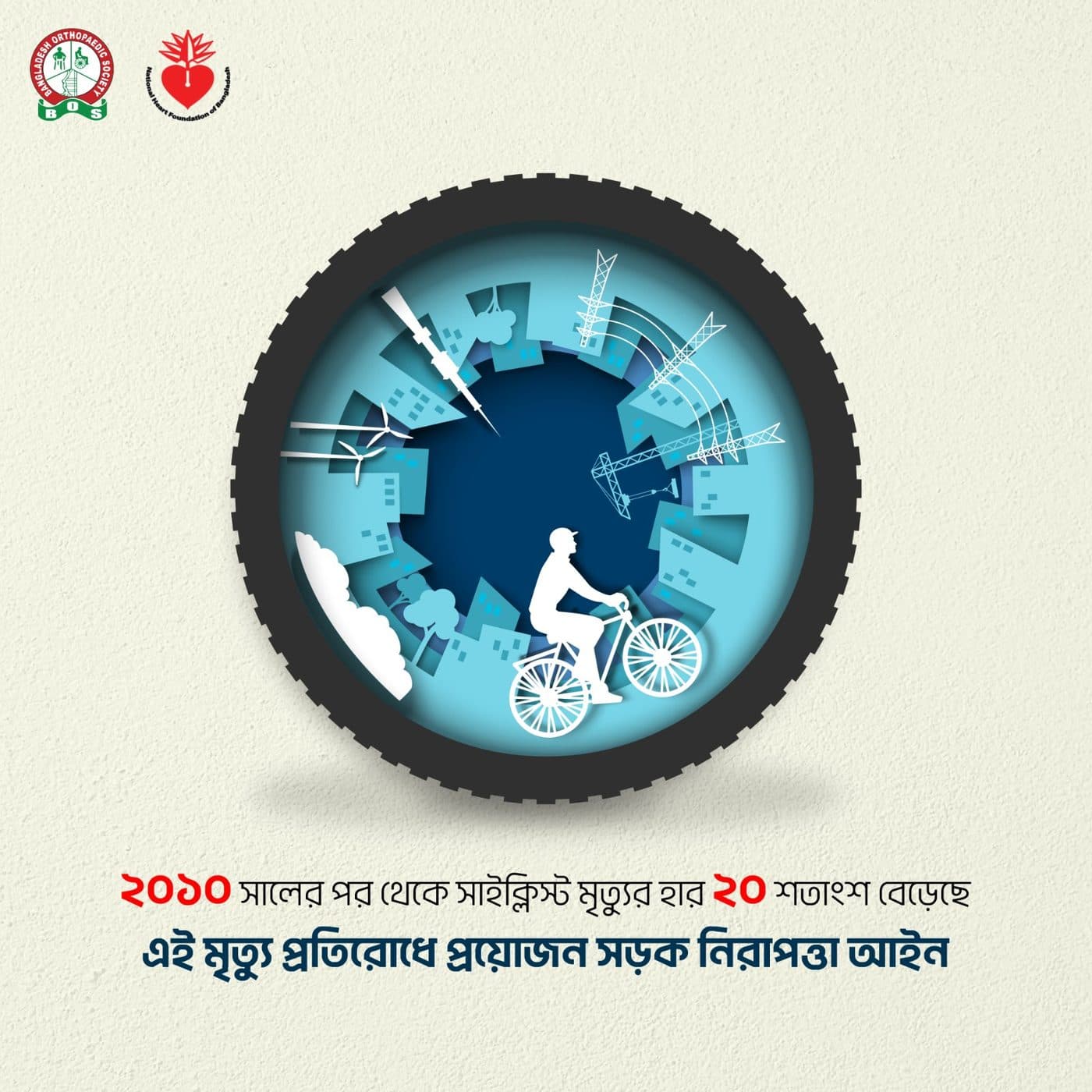
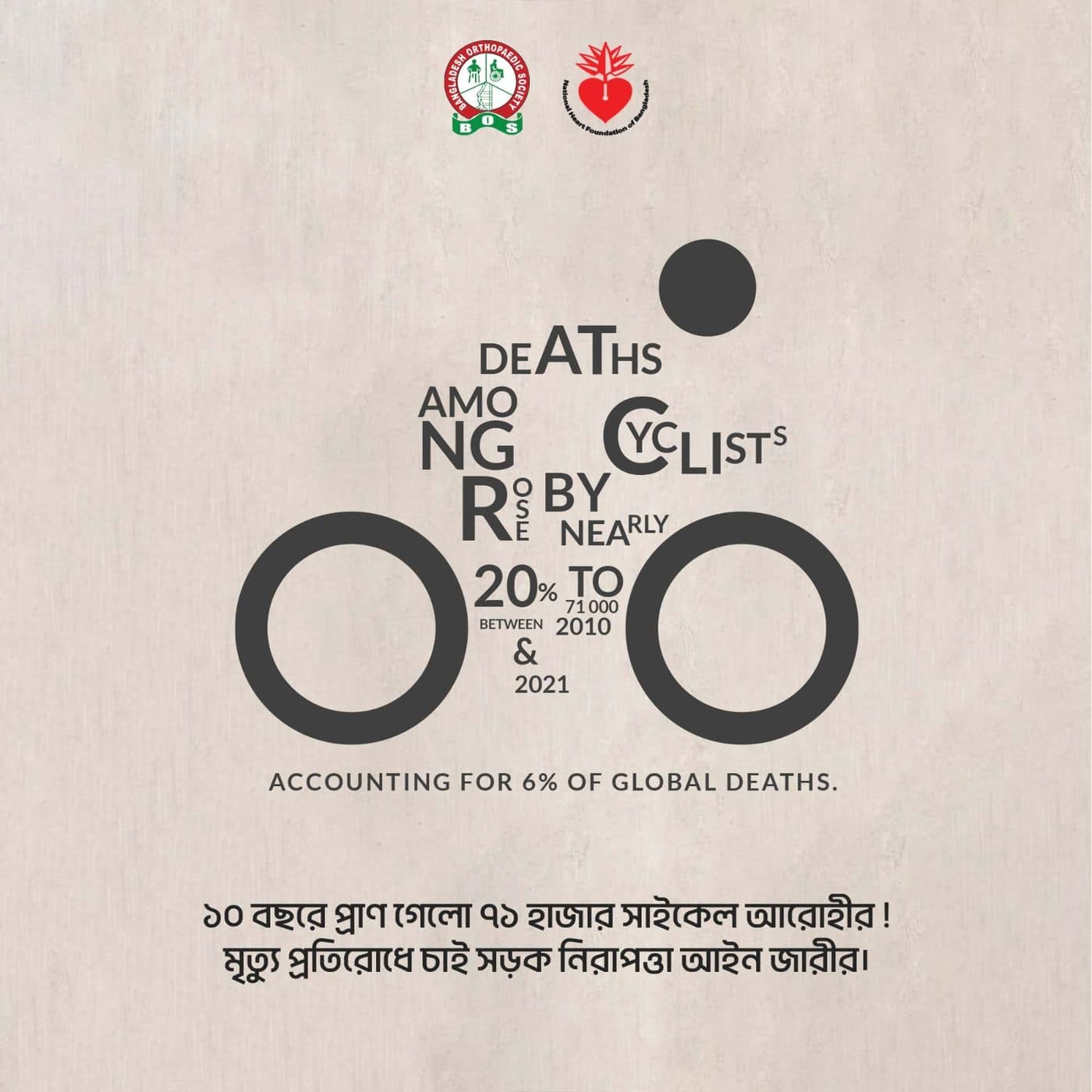
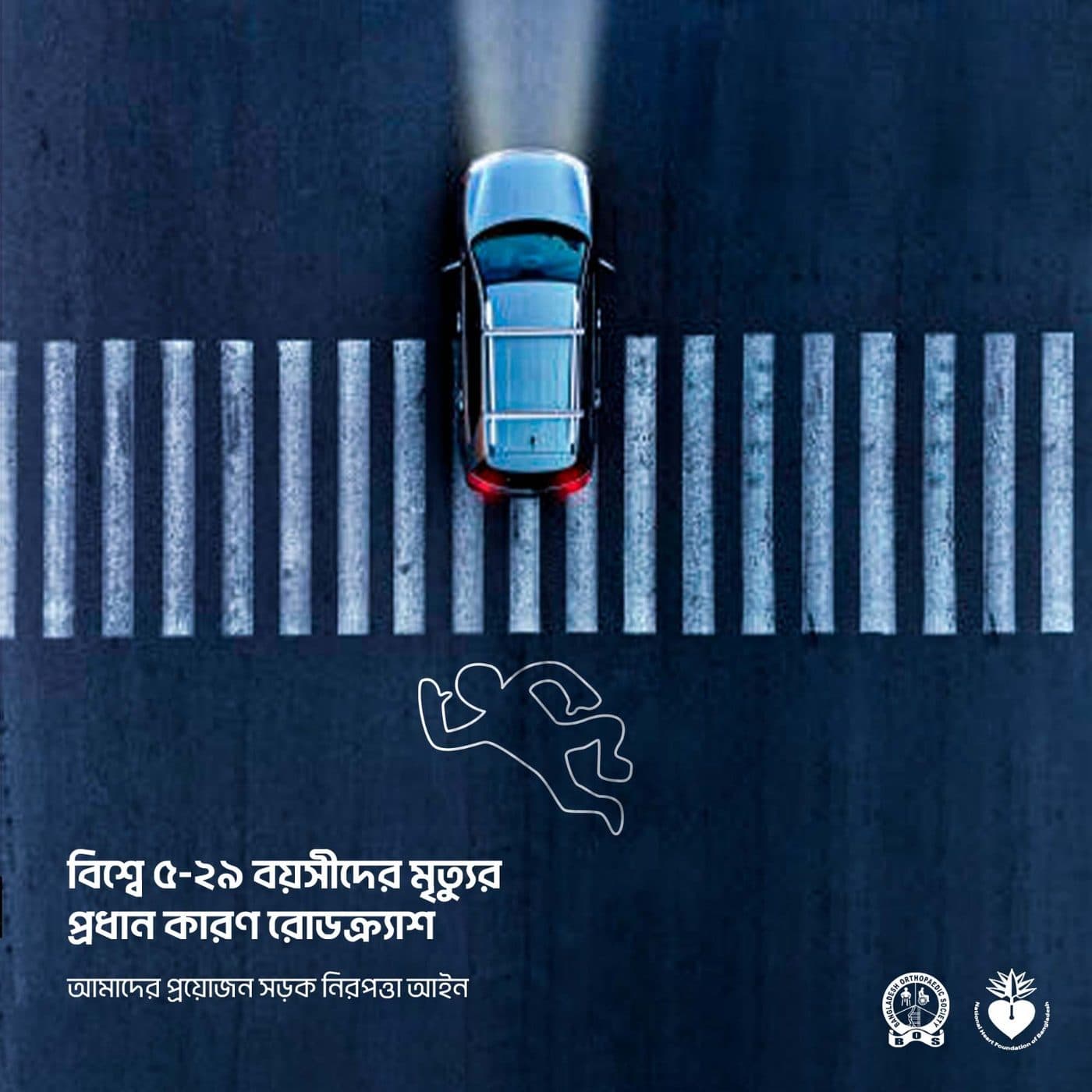
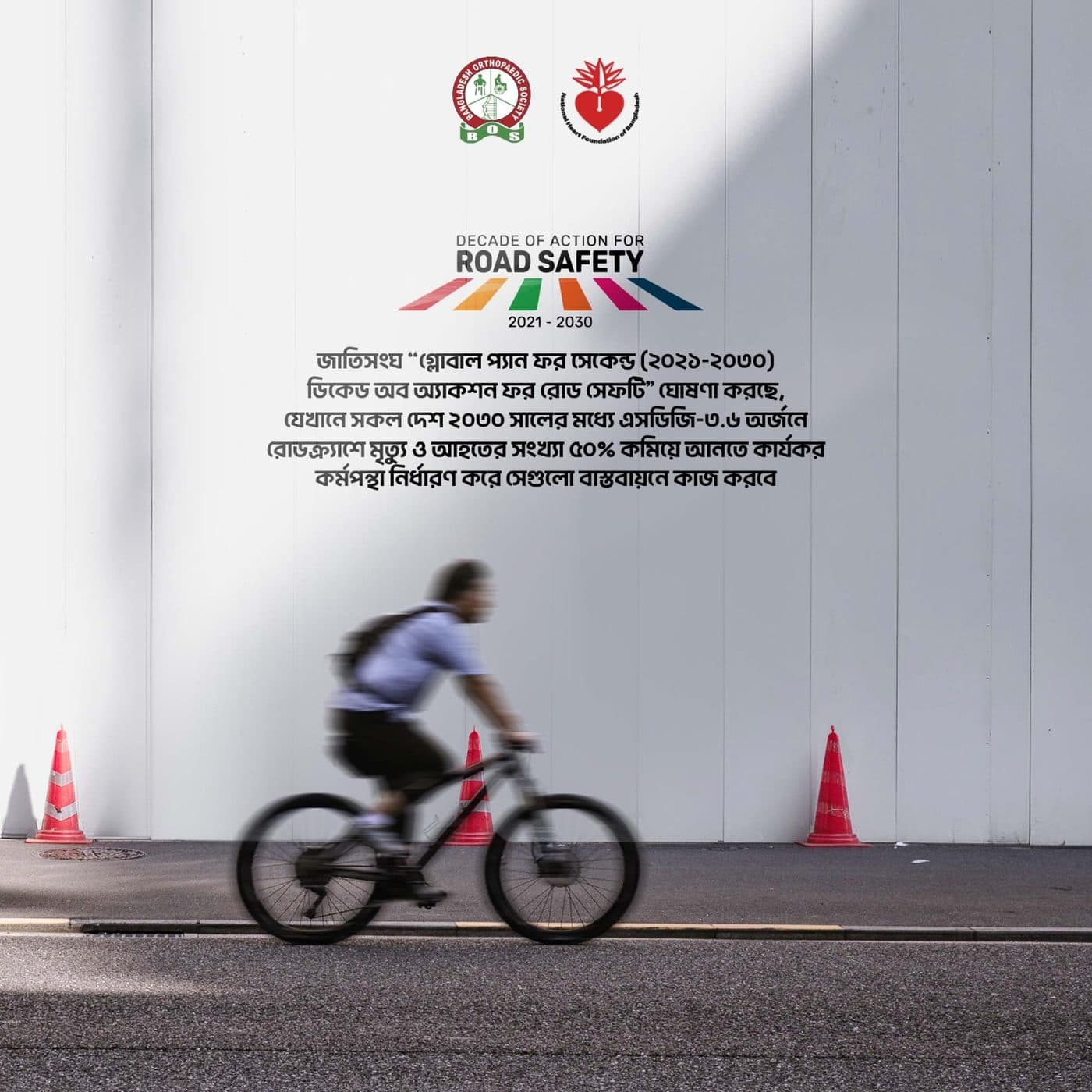
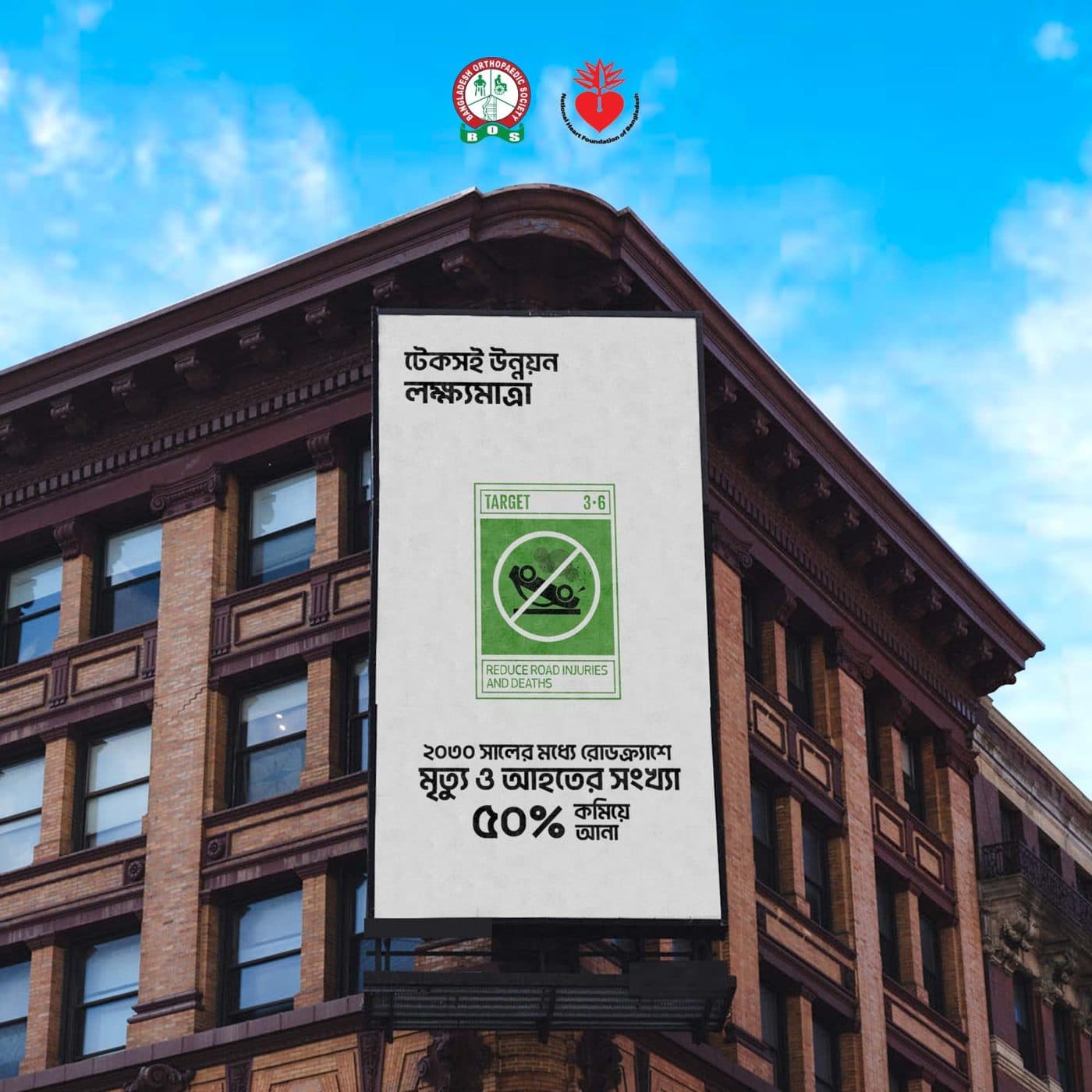
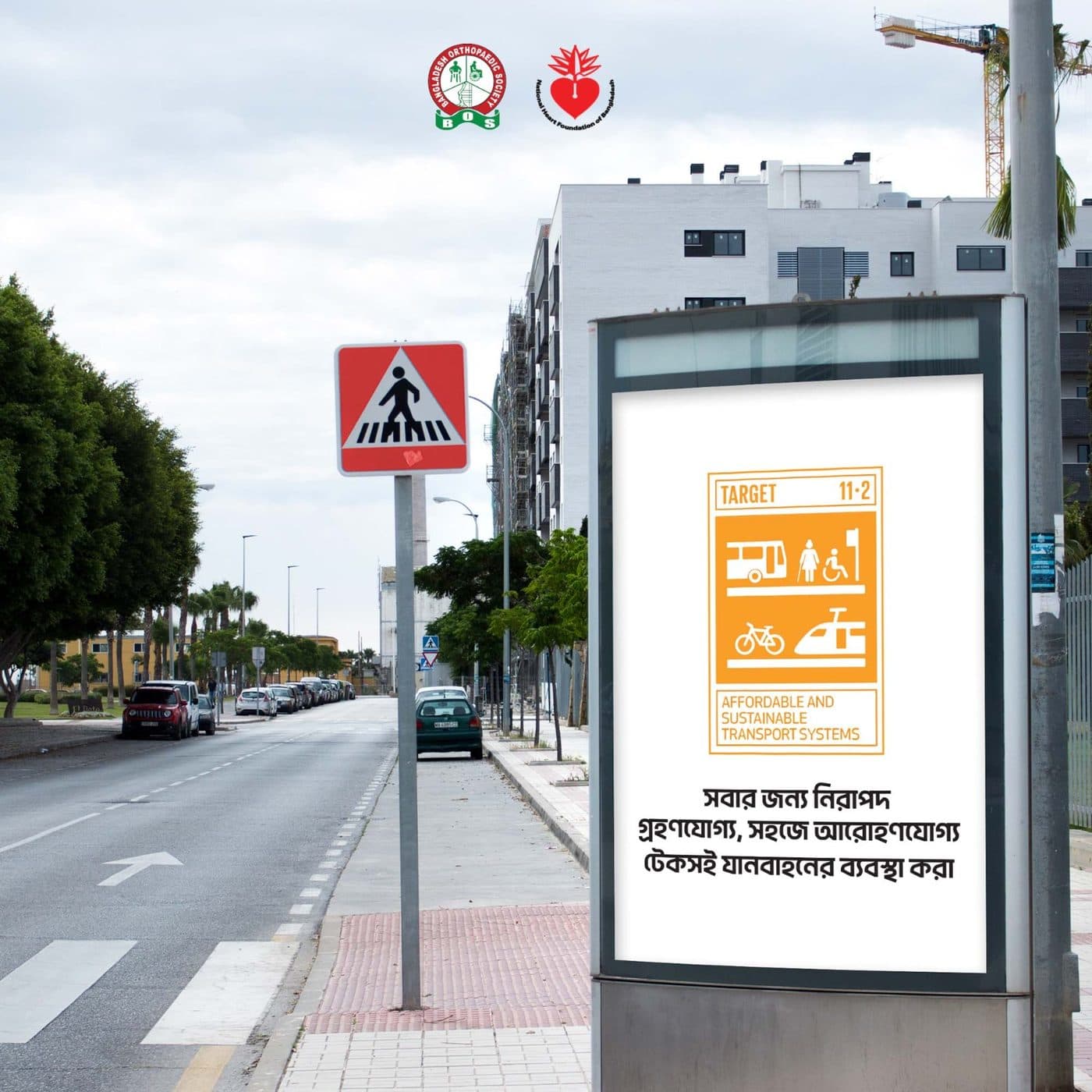
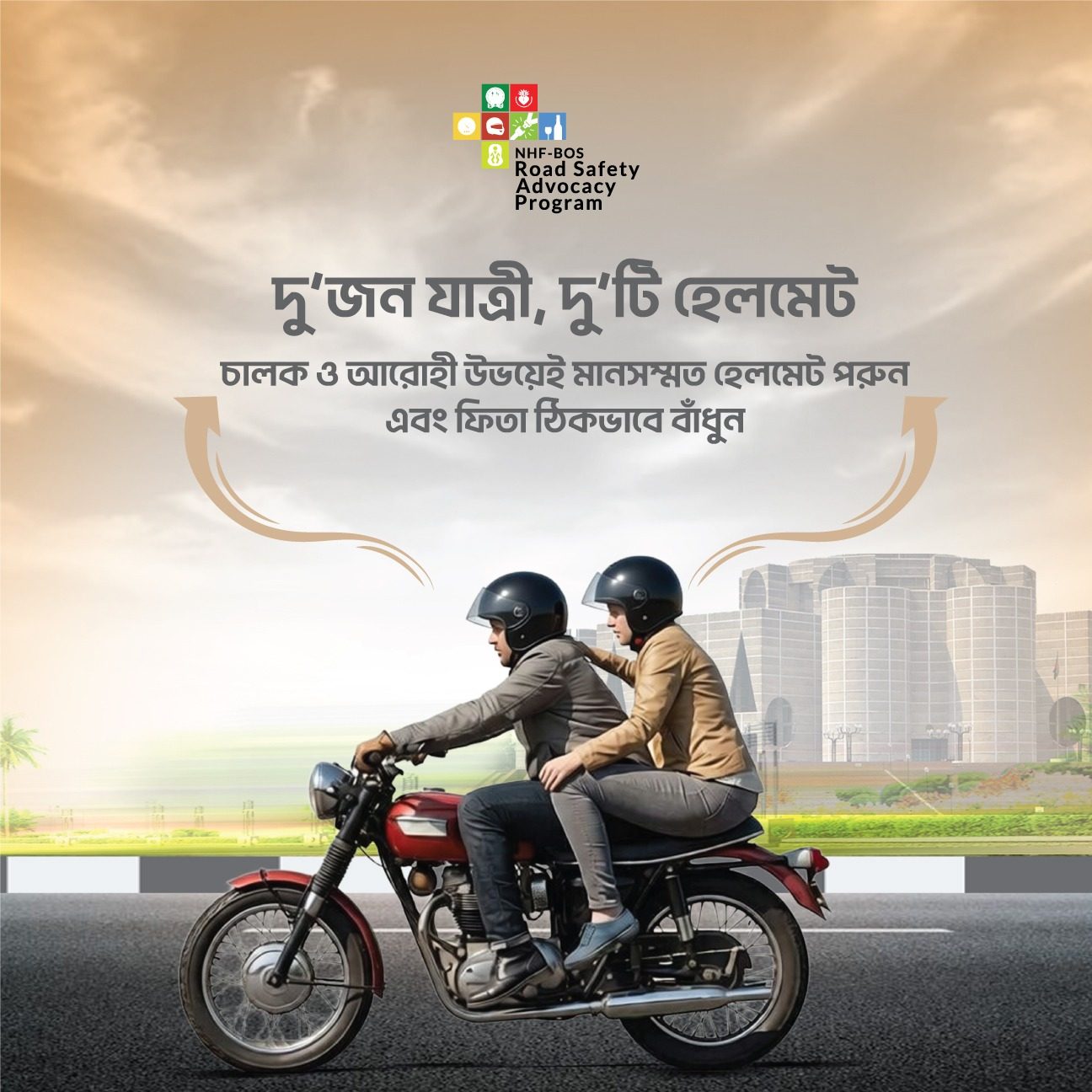
Worldwide, approximately 1.19 million people die each year in road crashes. Road traffic injury is the leading cause of death for children and young adults aged 5–29 years and the 12th leading cause of death across all ages. Nine in ten road deaths (92%) occur in low- and middle-income countries, and a further 20–50 million people suffer non-fatal injuries every year, many resulting in lifelong disability.
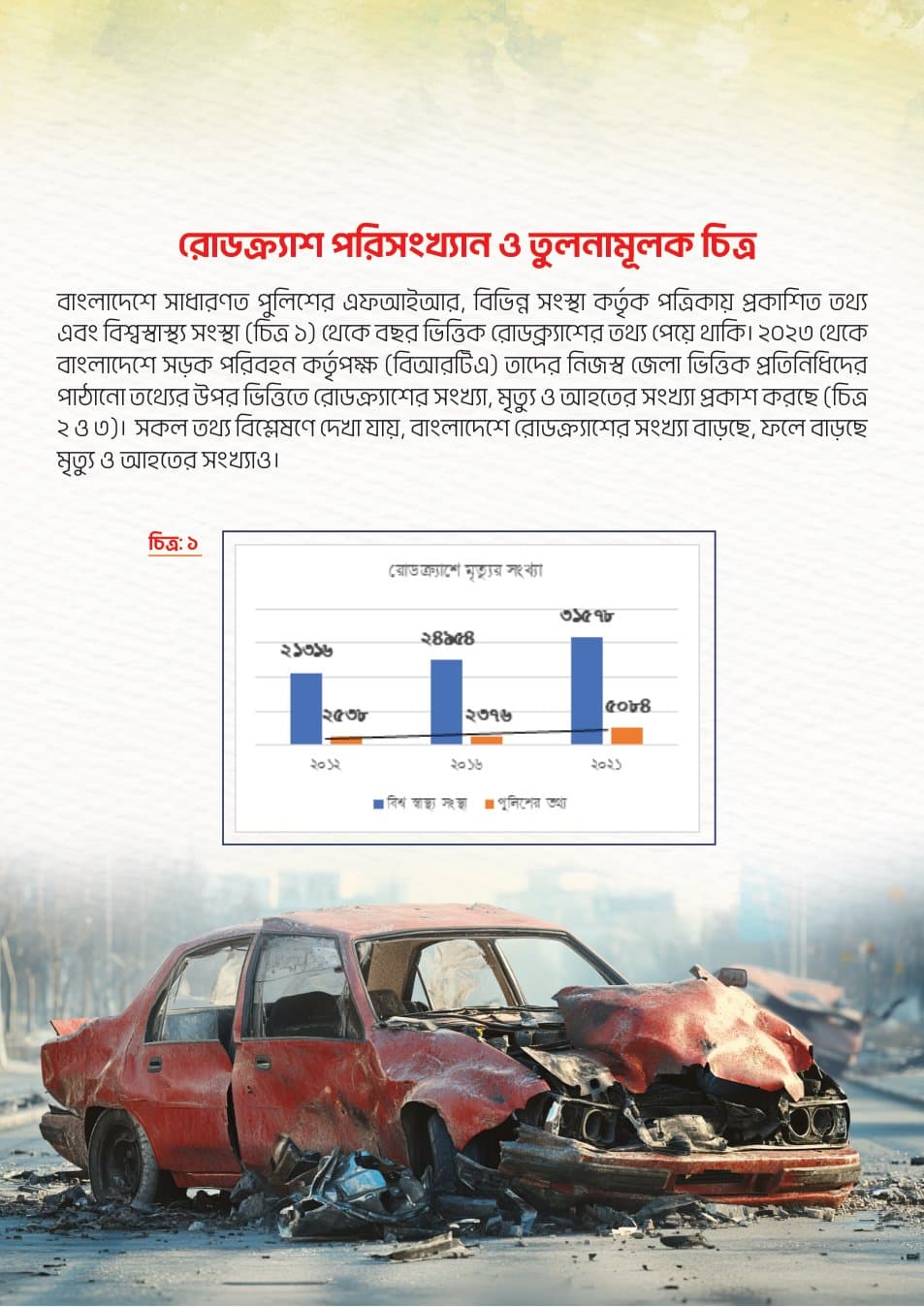
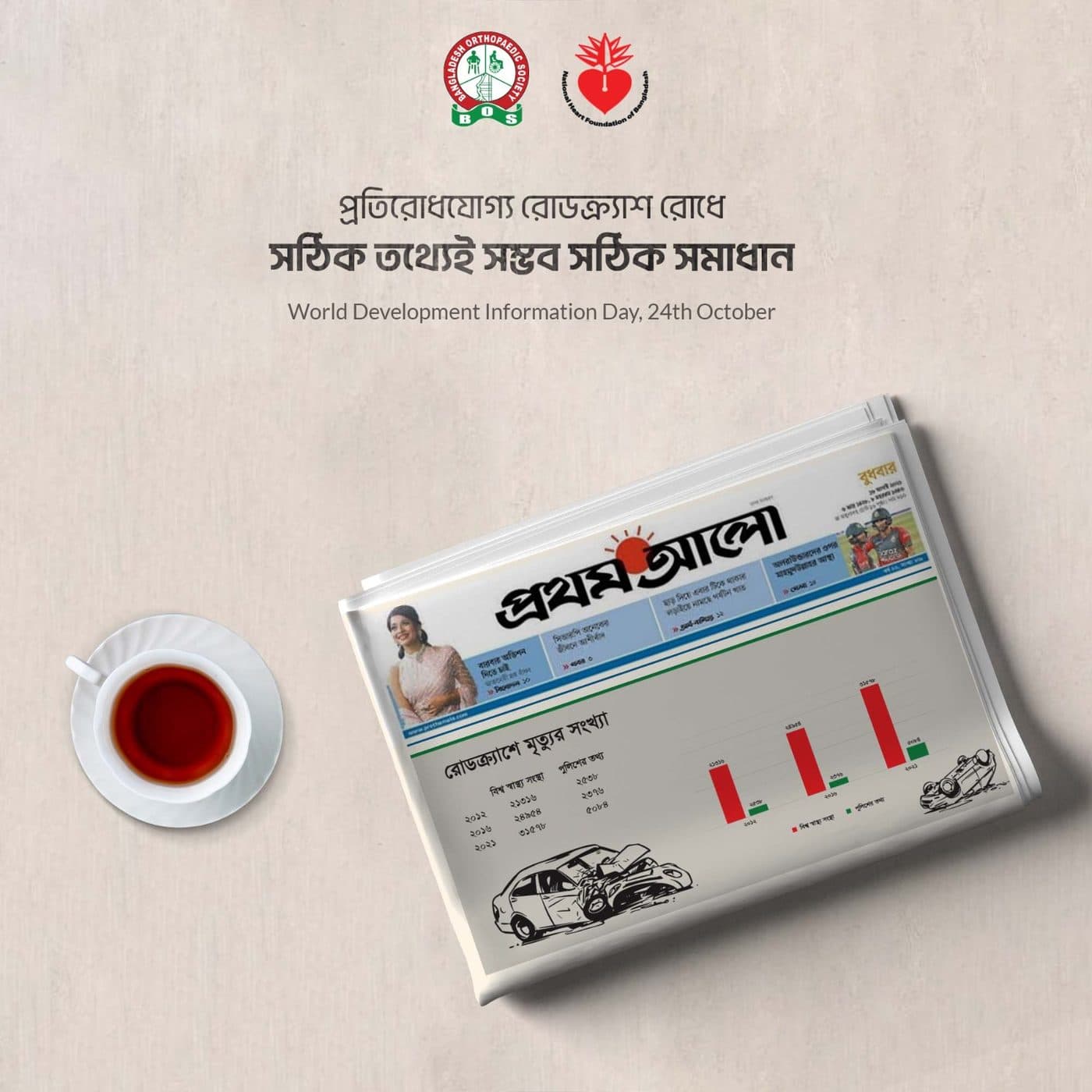
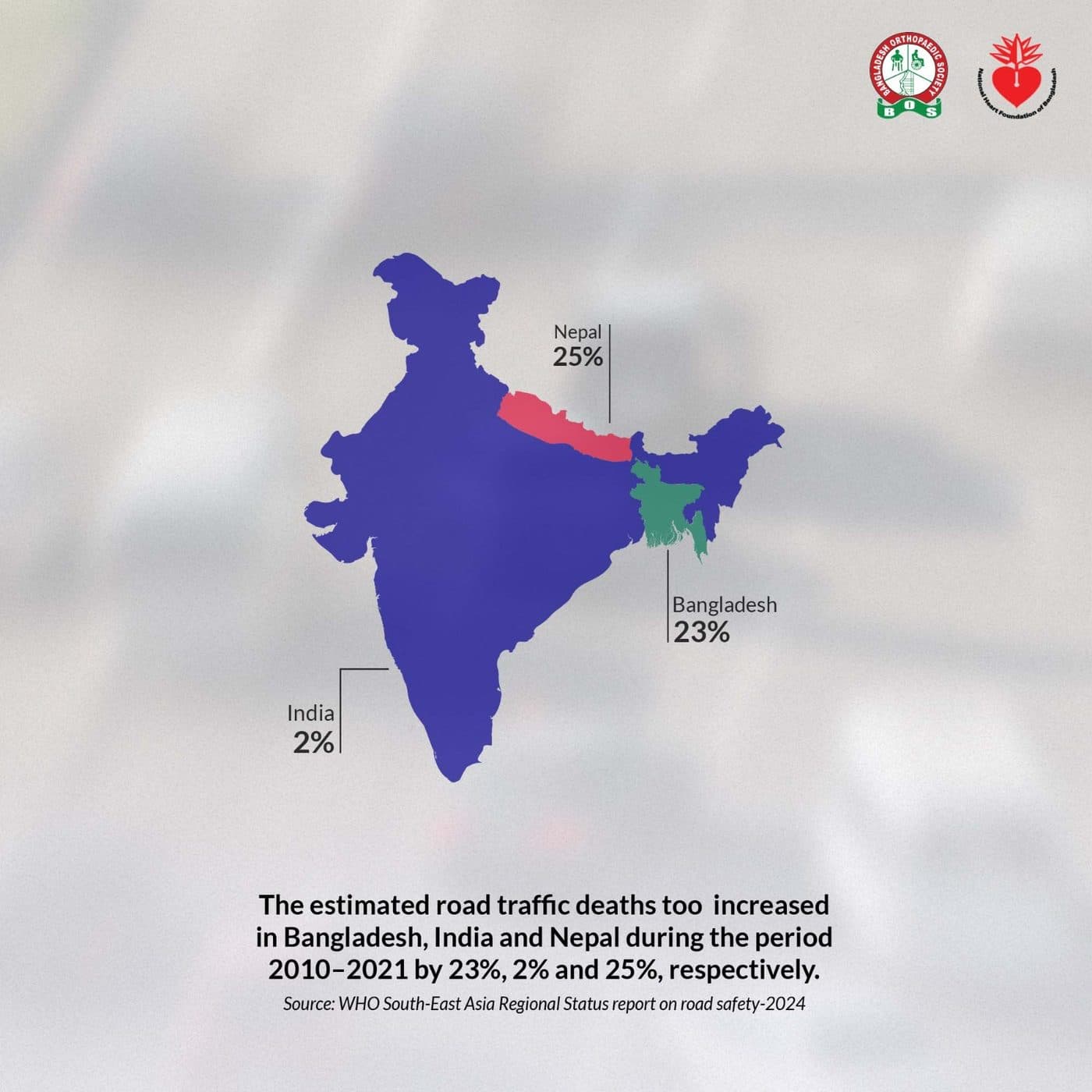
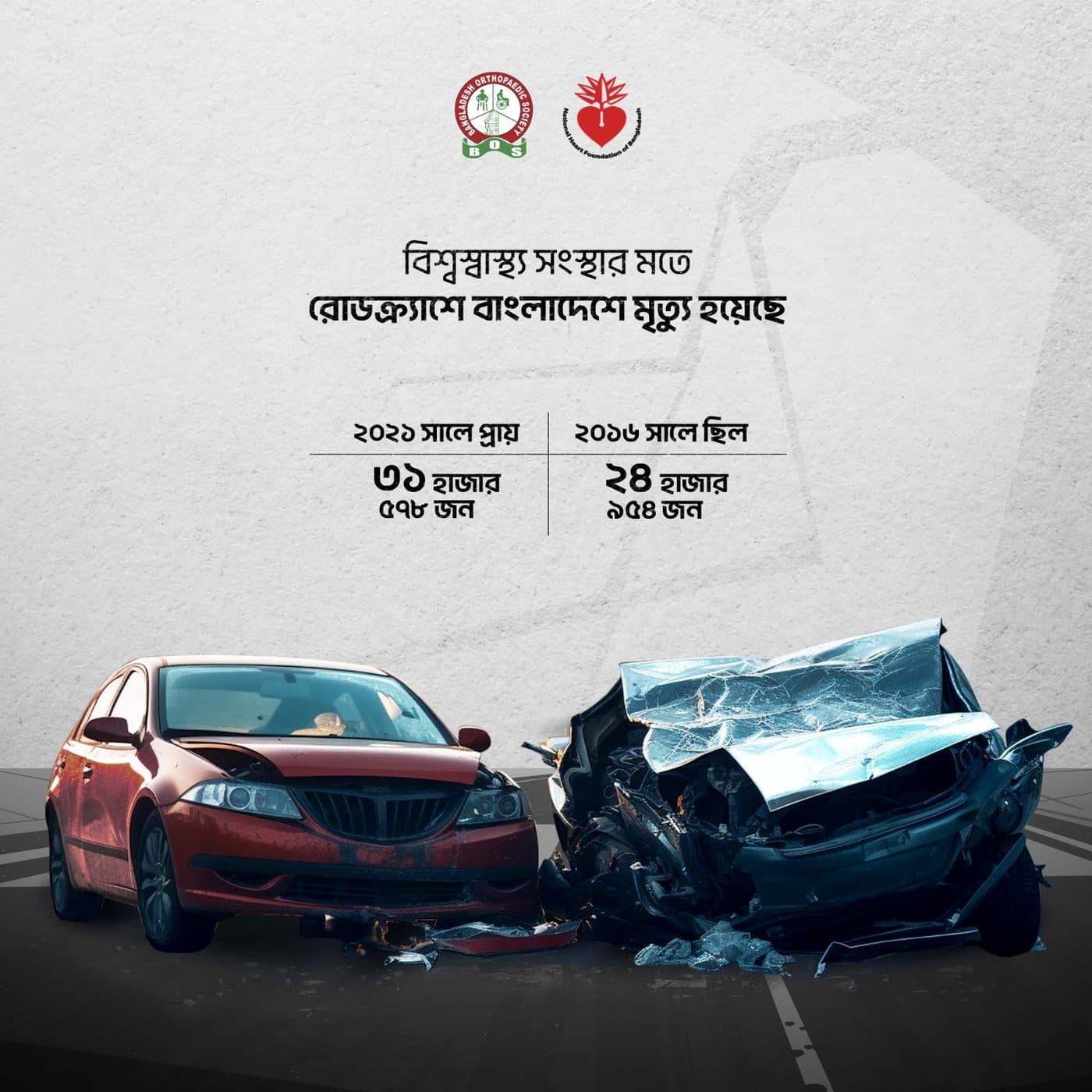
Bangladesh carries a heavy share of this burden. WHO estimated 31,578 road crash deaths in the country in 2021, with the fatality rate rising from 15.3 per 100,000 population in 2016 to 18.6 in 2021. Road crashes are among the leading causes of death and injury in Bangladesh and impose a major burden on the health system and the economy. WHO recognises road crashes as a preventable, non-communicable public health problem.
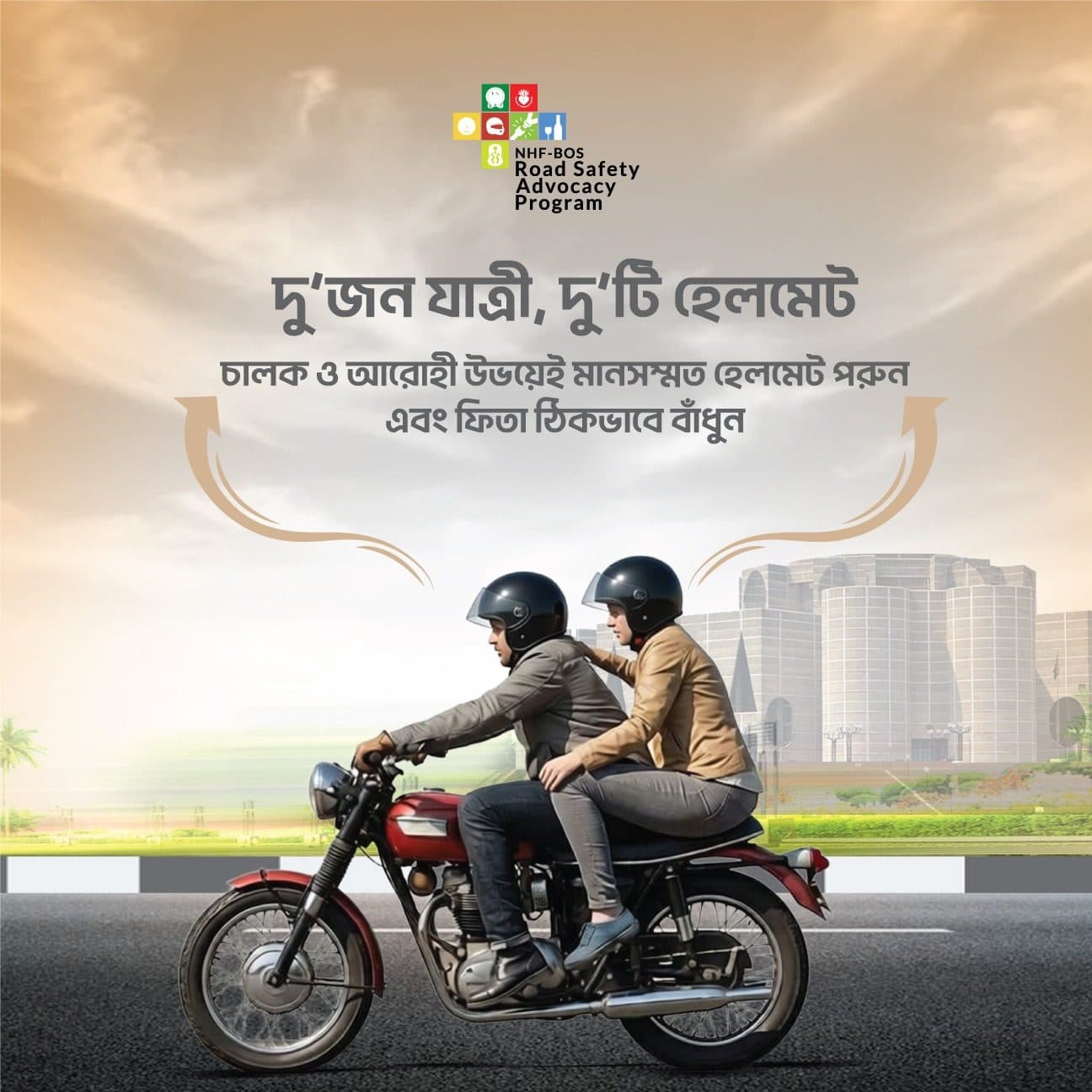
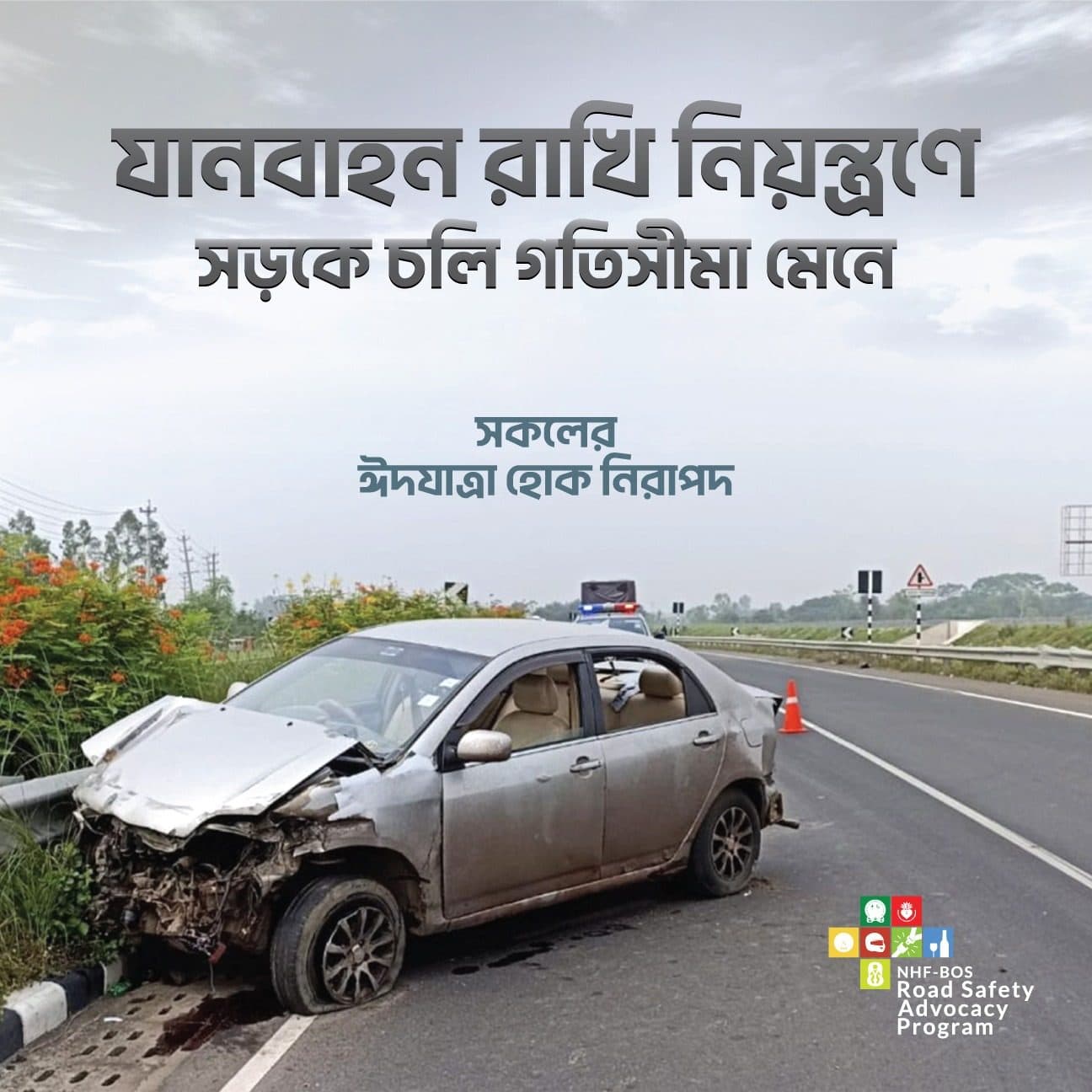
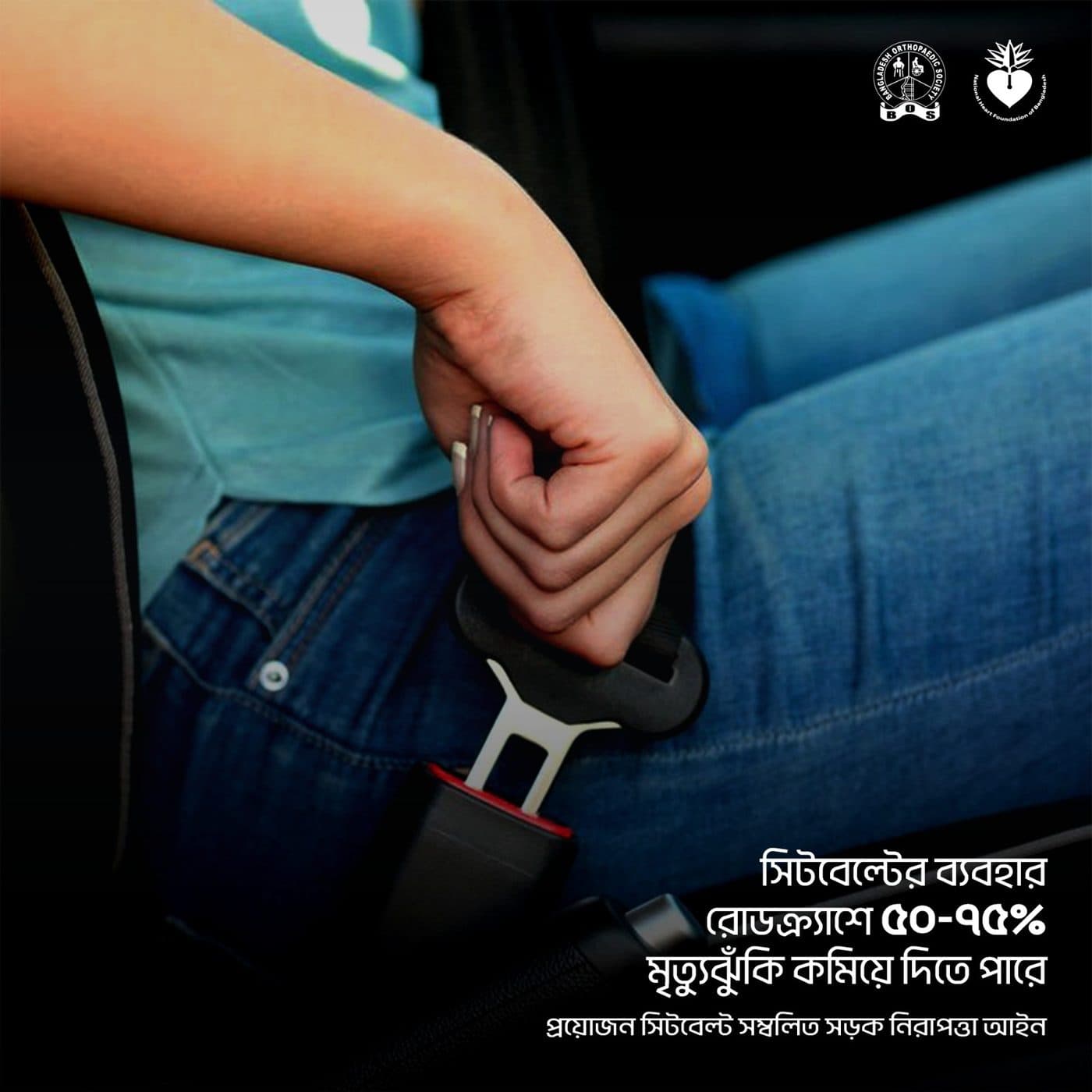
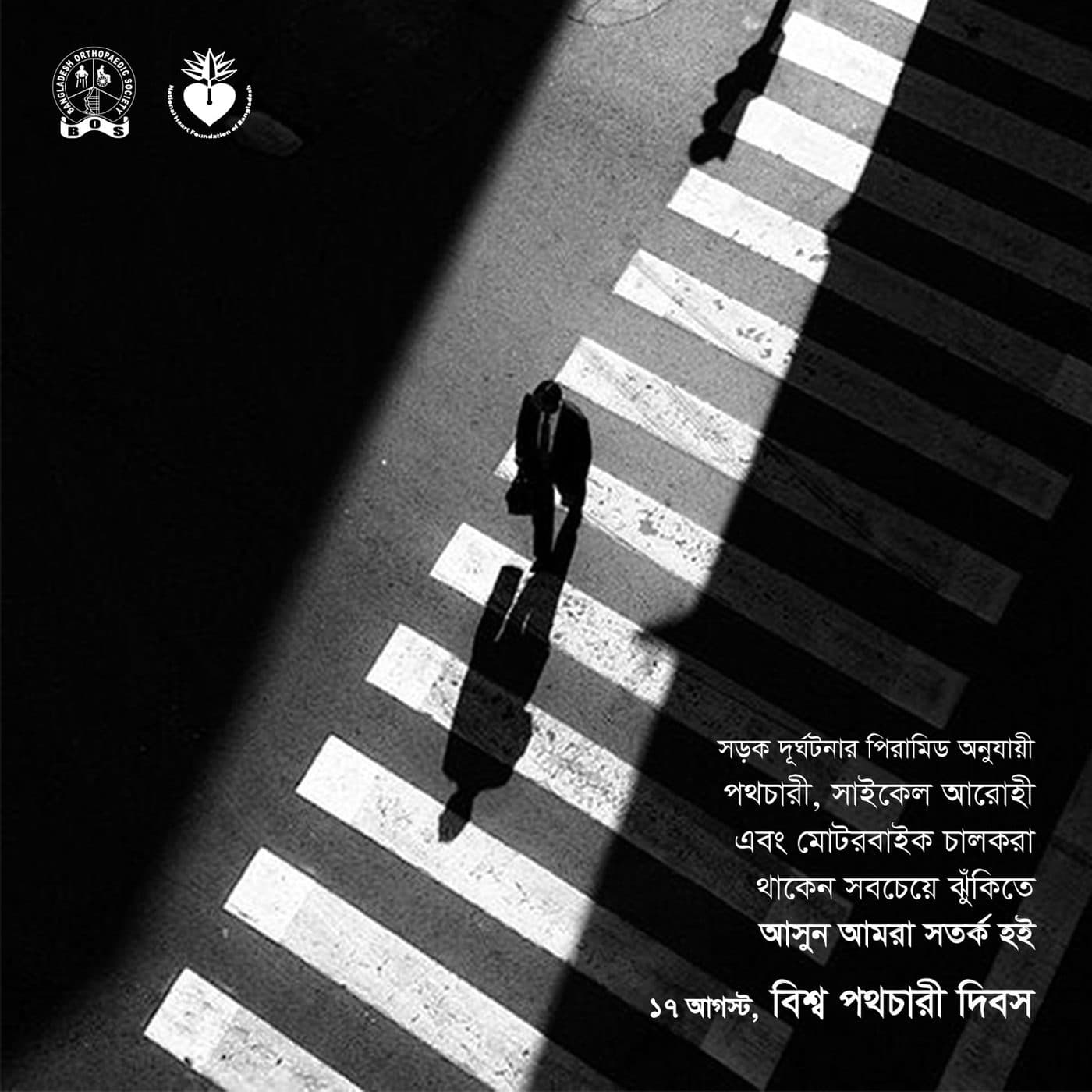
Bangladesh has the Road Transport Act 2018 and the Road Transport Rules 2022, but both focus on the transport system and give inadequate attention to safety: speed management, road infrastructure, standard helmet use, seatbelt use for all occupants, drink- and drug-driving, and child restraints. Vulnerable road users, pedestrians, cyclists and motorcyclists, remain largely unprotected.
Building on the Bangladesh Network for NCD Control and Prevention (BNNCP), formed in 2015 on the initiative of National Professor Brig. (Retd.) Abdul Malik, the National Heart Foundation of Bangladesh (NHFB) and the Bangladesh Orthopaedic Society (BOS) have jointly implemented the Road Safety and Injury Prevention Program since 2022, supported by the Global Road Safety Partnership (GRSP) hosted by the International Federation of Red Cross and Red Crescent Societies (IFRC).