
ProgramsPrevention in practice
Prevention that reaches people where they live.
From a national hypertension initiative in district hospitals to air-pollution lessons in city schools, the department's programs put its research to work with government, WHO and partner organisations across Bangladesh.
Each program page carries its activities, materials, partners and the evidence behind it.
- 10
- Programs
- 5
- Flagship programs
- 18
- Partner organisations
01Flagship programs
Where most of our field work happens
01
Road Safety and Injury Prevention Program
A coordinated advocacy and public health initiative to reduce road crash deaths and injuries in Bangladesh — through evidence, policy, and community action.
Read about the program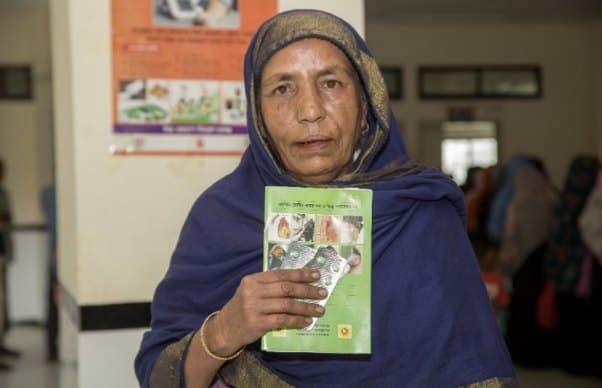
02
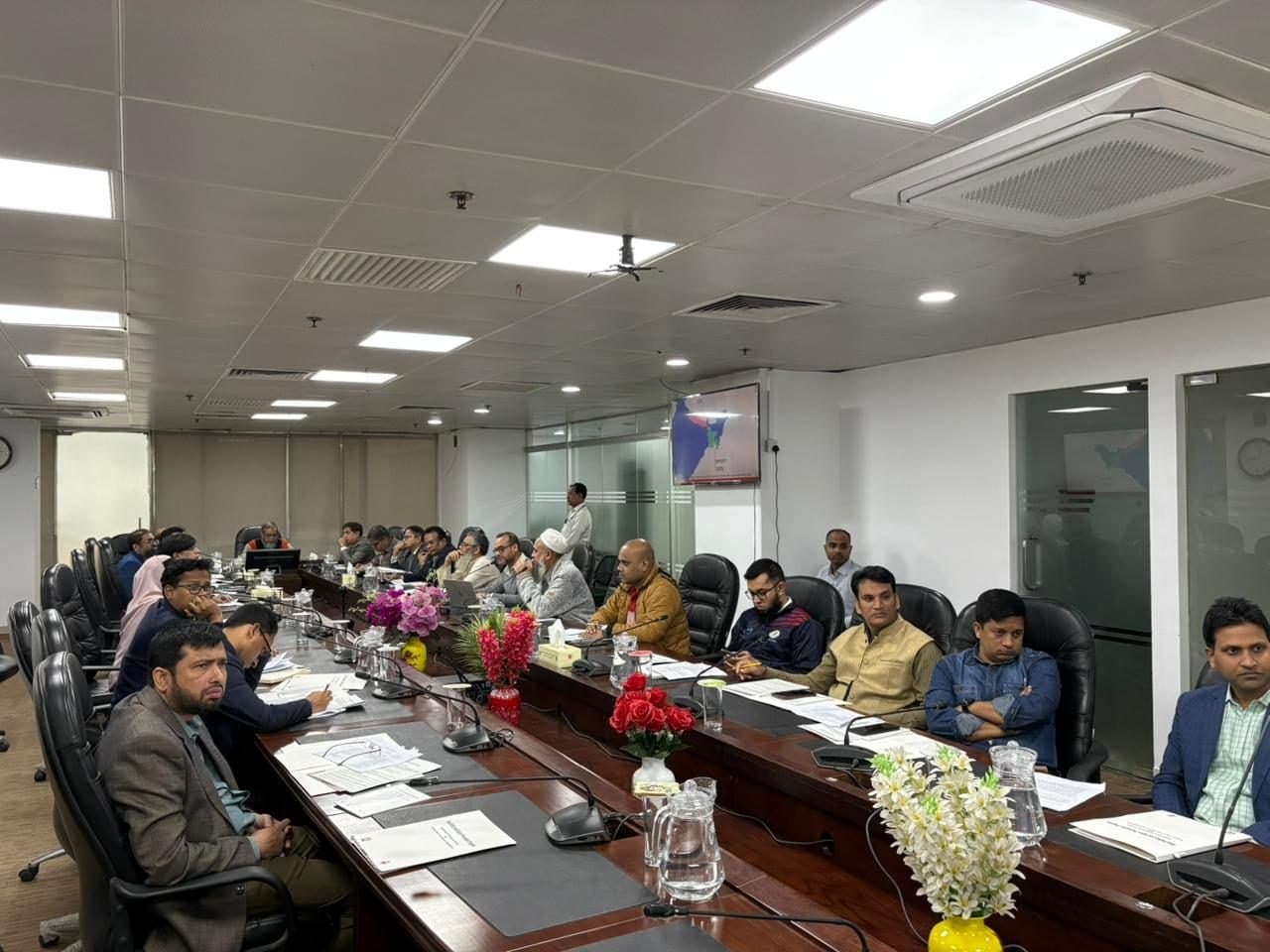
Bangladesh Hypertension Control Initiative (BHCI)
A national partnership with NCDC, DGHS, and Resolve to Save Lives scaling WHO HEARTS-based hypertension management across 47 districts and 328 Upazila Health Complexes in Bangladesh.
Read about the program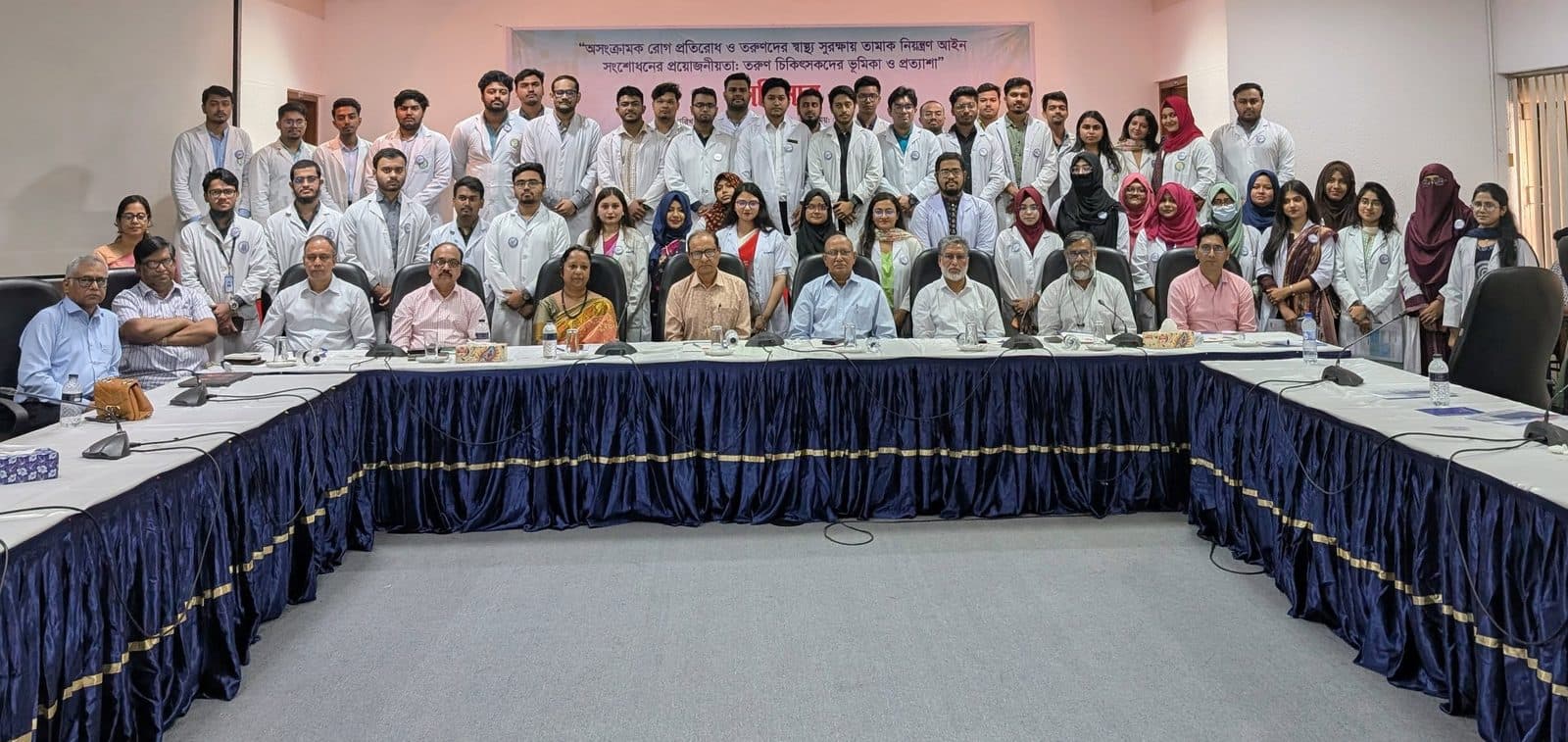
03
Tobacco Control Program
To influence policymakers to amend tobacco control laws, raise public awareness, and promote healthy, tobacco-free lifestyles through specialized cessation clinics.
Read about the program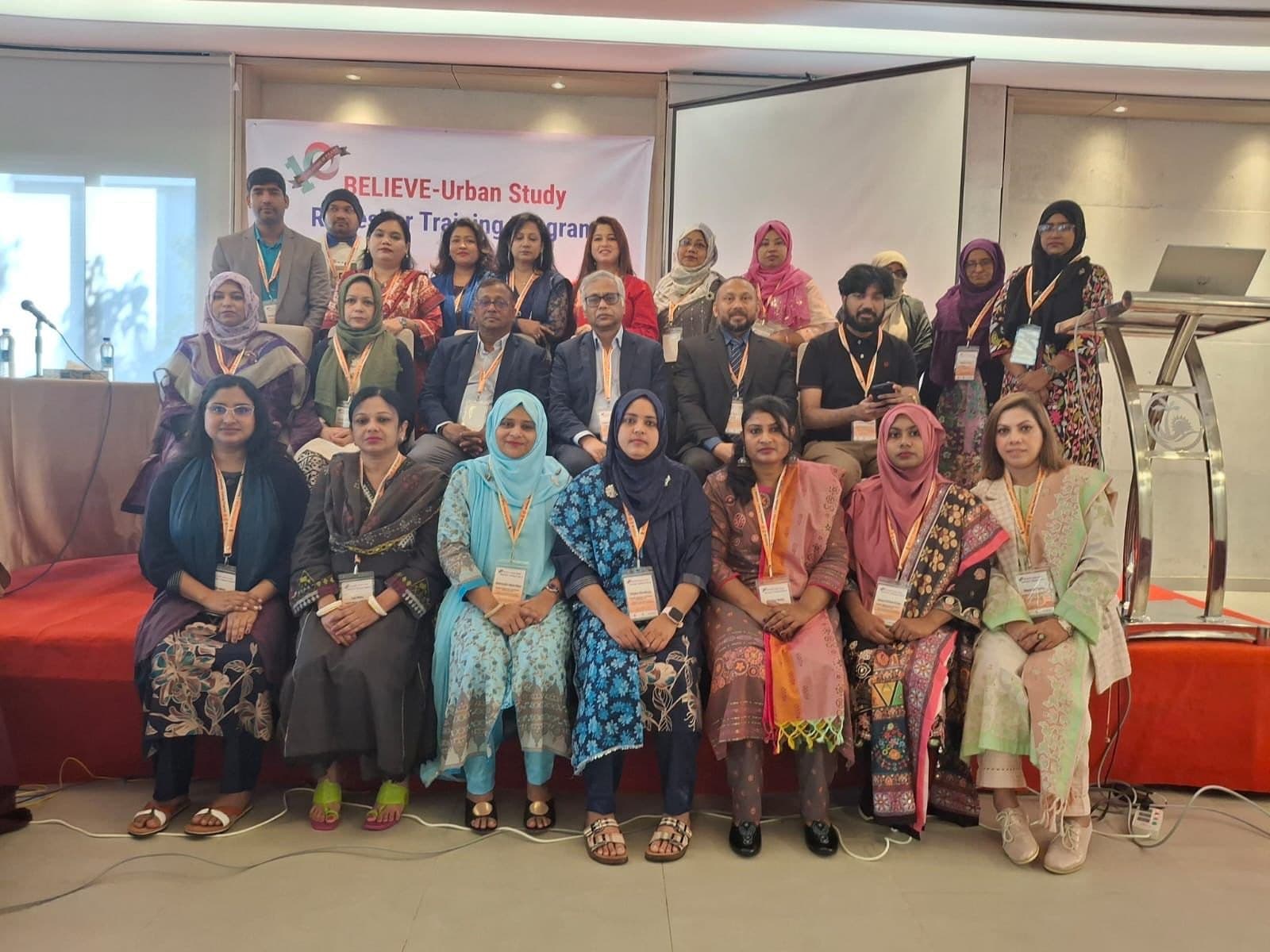
04
BELIEVE-Urban Study
A prospective cohort of 59,844 Mirpur residents — Bangladesh's largest NCD bioresource — investigating cardiovascular and metabolic disease risk through questionnaires, anthropometry, biospecimens and genomics. A collaboration between NHFH&RI and the University of Cambridge since 2016.
Read about the program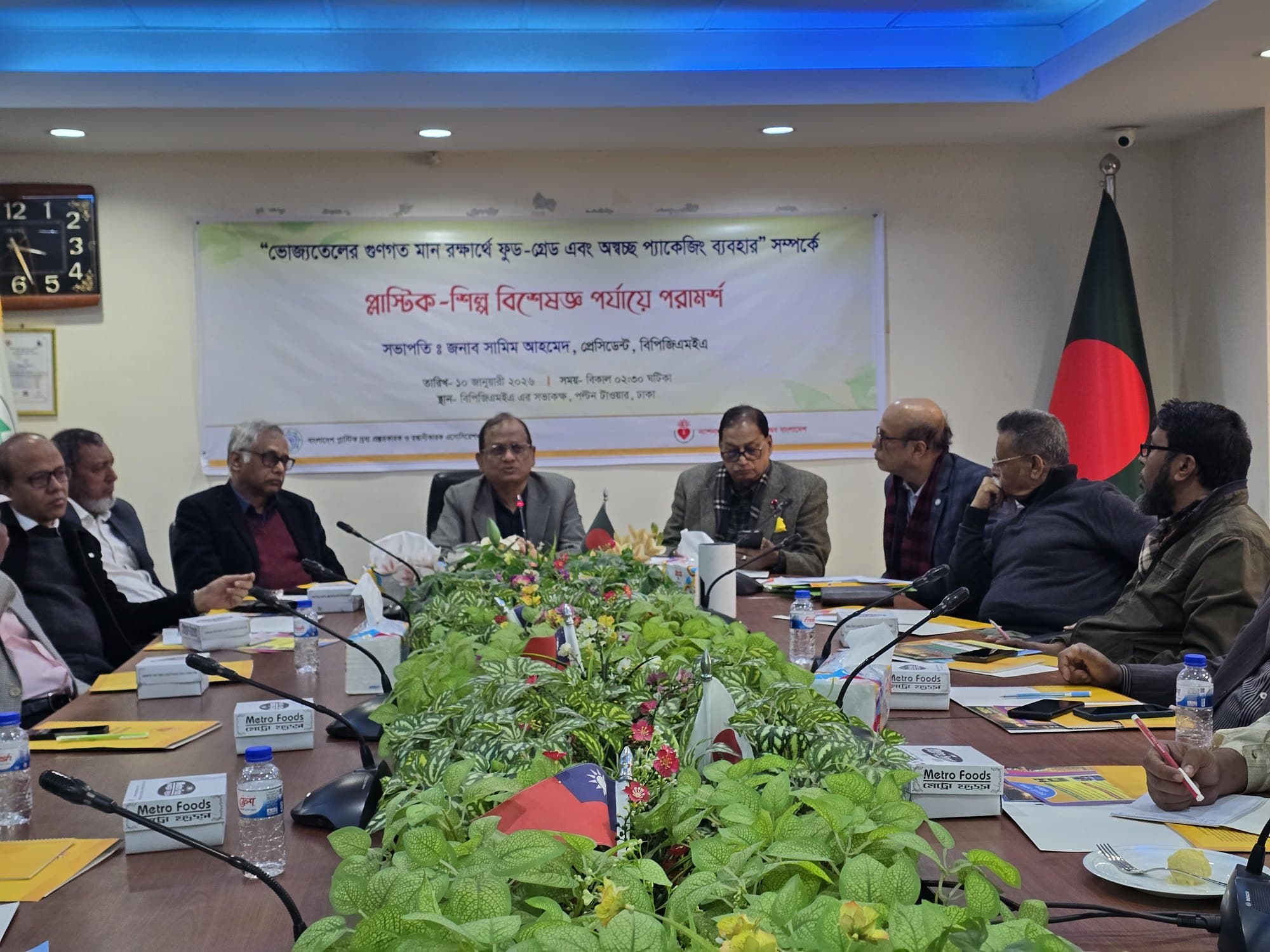
05
Large Scale Food Fortification Country Advocacy Bangladesh
The LSFF Advocacy Program aims to reduce micronutrient deficiencies by promoting fortified edible oil through policy advocacy, market regulation, and public awareness.
Read about the program
02More programs
Focused programs, pilots and studies that test what could work at scale
- Read more
Clean Air, Healthy Future Hearts
Raising awareness on air pollution in school students of a polluted city in Bangladesh to reduce cardiovascular risks.
- Read more
Salt Reduction Program
The Salt Reduction Program at NHFB aims to reduce population-level sodium intake in Bangladesh through evidence-based policy advocacy, community awareness, and multi-sectoral collaboration — targeting a significant reduction in hypertension and cardiovascular disease burden.
- Read more
Tobacco Cessation Counseling
An assessment of nurses bridging the gap between knowledge and counseling practices at primary healthcare facilities in Bangladesh.
- Read more
Tobacco Quitline Service
The first tobacco quitline service launched by the NHFH&RI in Bangladesh with technical support from WHO.
03Work with us
Programs grow through partnership.
Government agencies, development partners and funders work with the department to design, deliver and evaluate prevention programs. If you would like to support or join one, we would like to hear from you.