
ProgramsLarge Scale Food Fortification Country Advocacy
Every bottle of edible oil, fortified and safe.
The LSFF Advocacy Program works to reduce micronutrient deficiencies in Bangladesh by promoting edible oil fortified with vitamins A and D: phasing out bulk oil, securing quality standards and bringing government, industry, media and consumers together around a safe, accessible market.
Implemented by the department at the National Heart Foundation of Bangladesh with support from the Gates Foundation, May 2023 to October 2026.
- 8
- Divisions, all of Bangladesh
- 24
- Districts with program activity
- A + D
- Vitamins the program advocates in every litre of oil
- 2023–26
- Program period
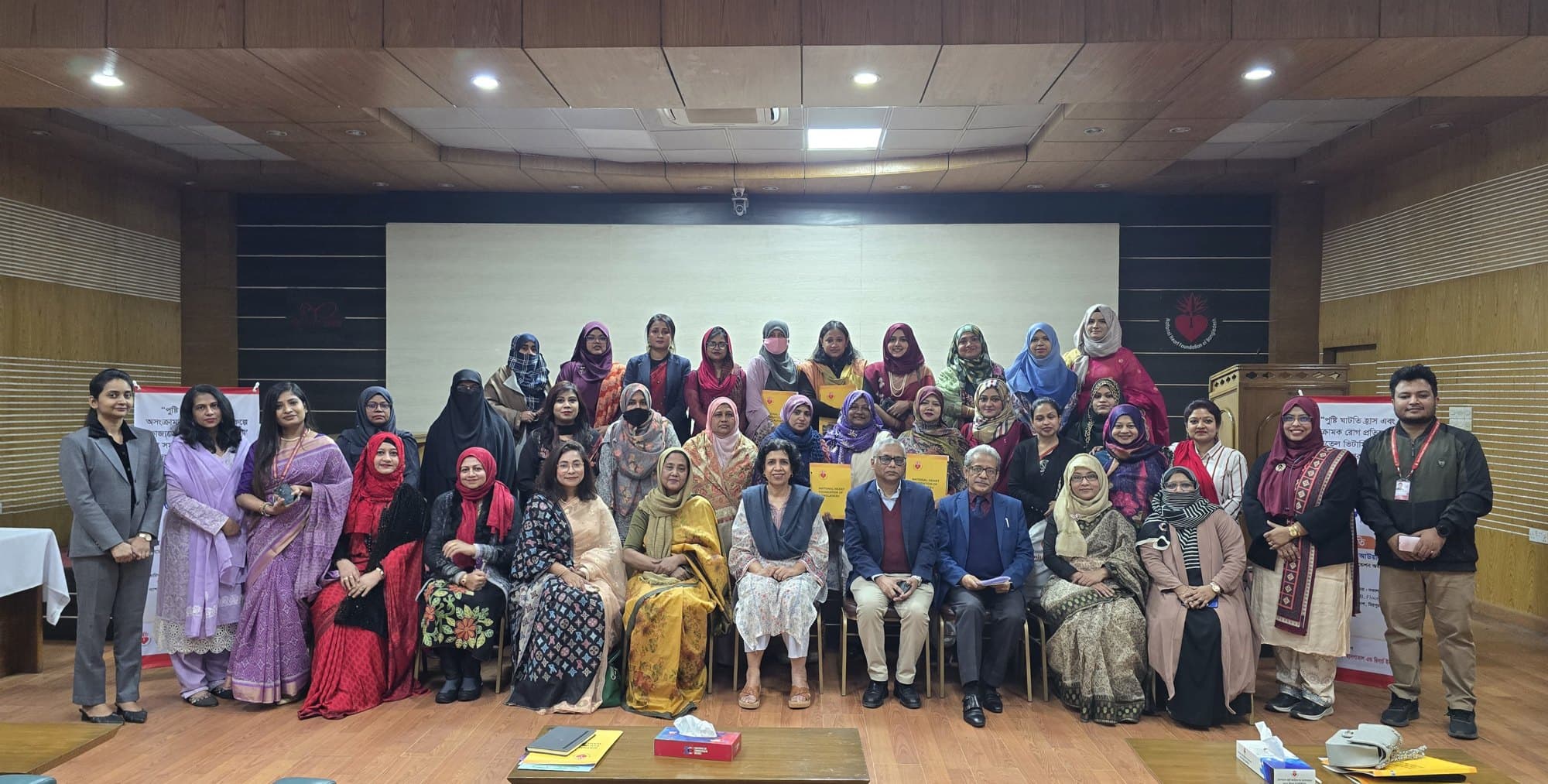
01Why fortification
A vehicle everyone already uses
Micronutrient deficiencies remain a significant public health challenge in Bangladesh, contributing to a growing burden of non-communicable diseases and poor population health. Edible oil is consumed across every socioeconomic group, which makes it a strategic vehicle for large-scale food fortification.
The obstacle is the market itself. Unregulated bulk oil sold from drums, inconsistent quality standards and limited consumer awareness have all held back the effect of fortification. Oil sold loose is rarely fortified, its origin cannot be traced, and it is often stored in containers that let light destroy the vitamins it may once have contained.
In response, the LSFF Advocacy Program was designed to strengthen the whole edible oil ecosystem: policy advocacy for the rules, evidence to inform them, and engagement with the traders, consumers and journalists who decide whether the rules take hold.
02How the program works
Four strands, one market
Research, advocacy and implementation run together, so that each finding has a policy door to go through and each policy has evidence behind it.
01
Policy advocacy
Engaging the Ministry of Industries, Ministry of Food, BSTI and DNCRP to strengthen regulation, improve market surveillance and phase out bulk edible oil. One-to-one meetings, roundtables and technical consultations feed into decisions such as vitamin A and D fortification standards and the taxation of premixes.
02
Evidence generation
Laboratory research on the quality, safety and nutritional content of edible oil sold in the market, including fatty acid composition, micronutrient levels and contaminants such as heavy metals and microplastics. The findings become advocacy materials, policy briefs and position papers.
03
Community, market and media
District-level workshops, stakeholder meetings and consumer awareness activities aimed at retailers, bulk oil users and local influencers, alongside journalist training, op-eds and strategic communication that shape public discussion of food safety and nutrition.
04
Safer, affordable packaging
Promoting food-grade packaging, cost-effective options for low-income households and opaque containers that protect micronutrients from light, so that fortified oil reaches consumers in the condition it left the refinery.
Government and technical counterparts: Ministry of Industries; Ministry of Food; Bangladesh Standards and Testing Institution (BSTI); Directorate of National Consumer Rights Protection (DNCRP); Bangladesh University of Engineering and Technology (BUET).
03Activities
Meetings, consultations and workshops
A record of the program's recent stakeholder work, from district meetings with traders and local influencers to technical sessions with nutritionists, packaging engineers and regulators.
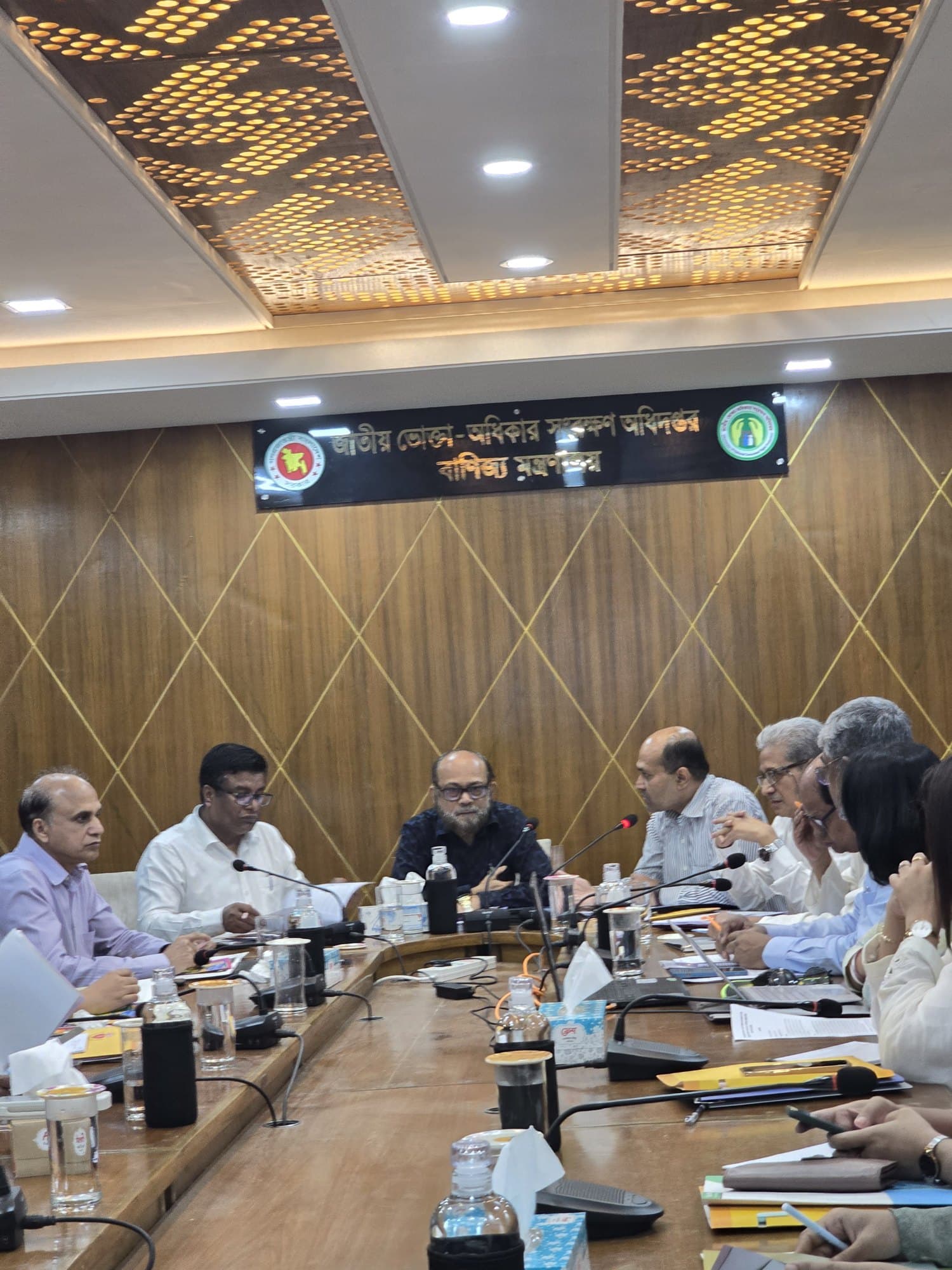
9 October 2025Meeting with DNCRP and other stakeholdersOn the external features of edible oil, with the Directorate of National Consumer Rights Protection. 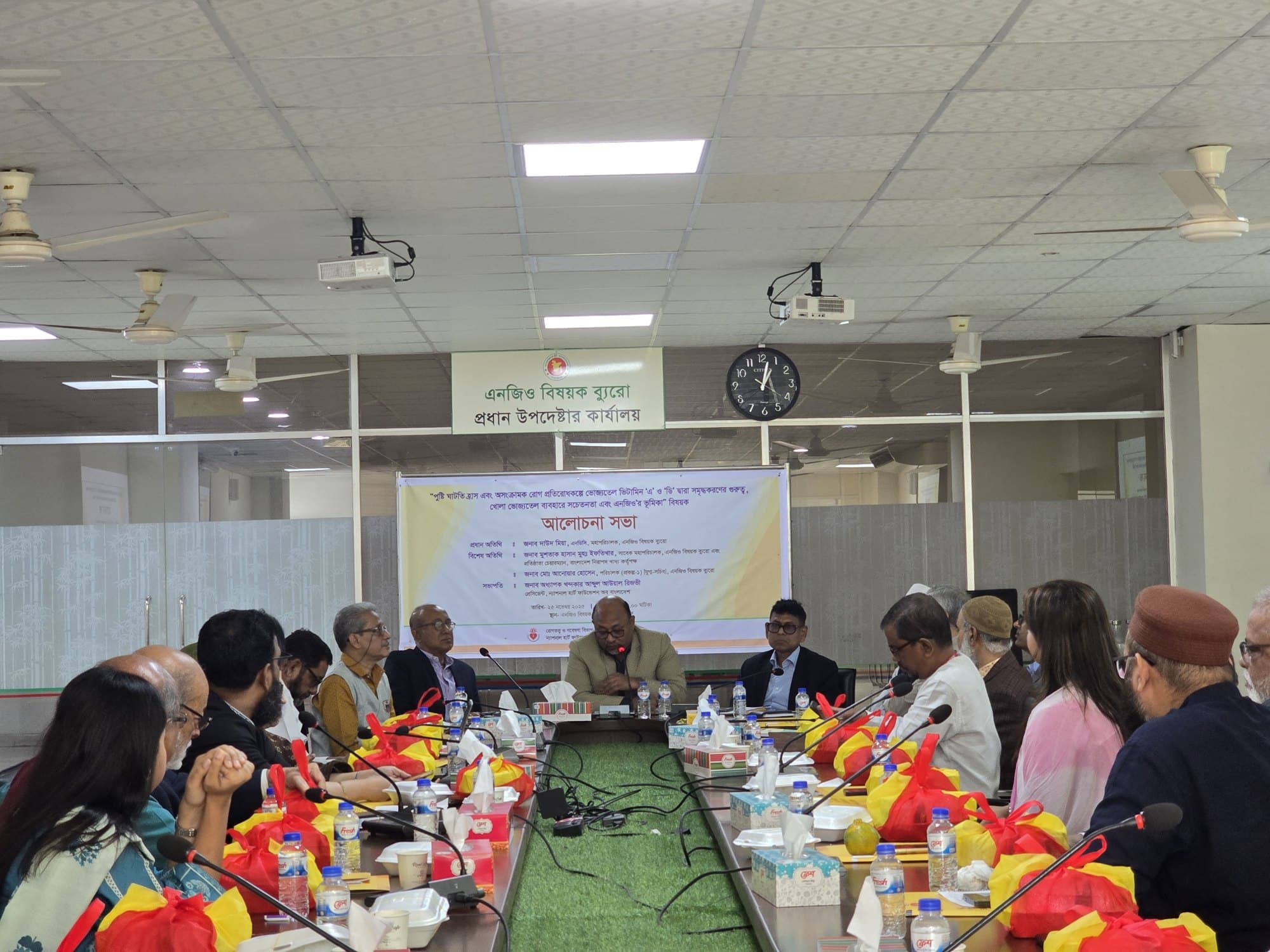
25 November 2025Awareness meeting on fortified edible oilOn the importance of fortifying edible oil with vitamins A and D to reduce nutritional deficiencies and prevent NCDs, and on the risks of loose edible oil. 15 January 2026Consultation with nutritionistsOn the standardisation of combined vitamin A and vitamin D in edible oils. 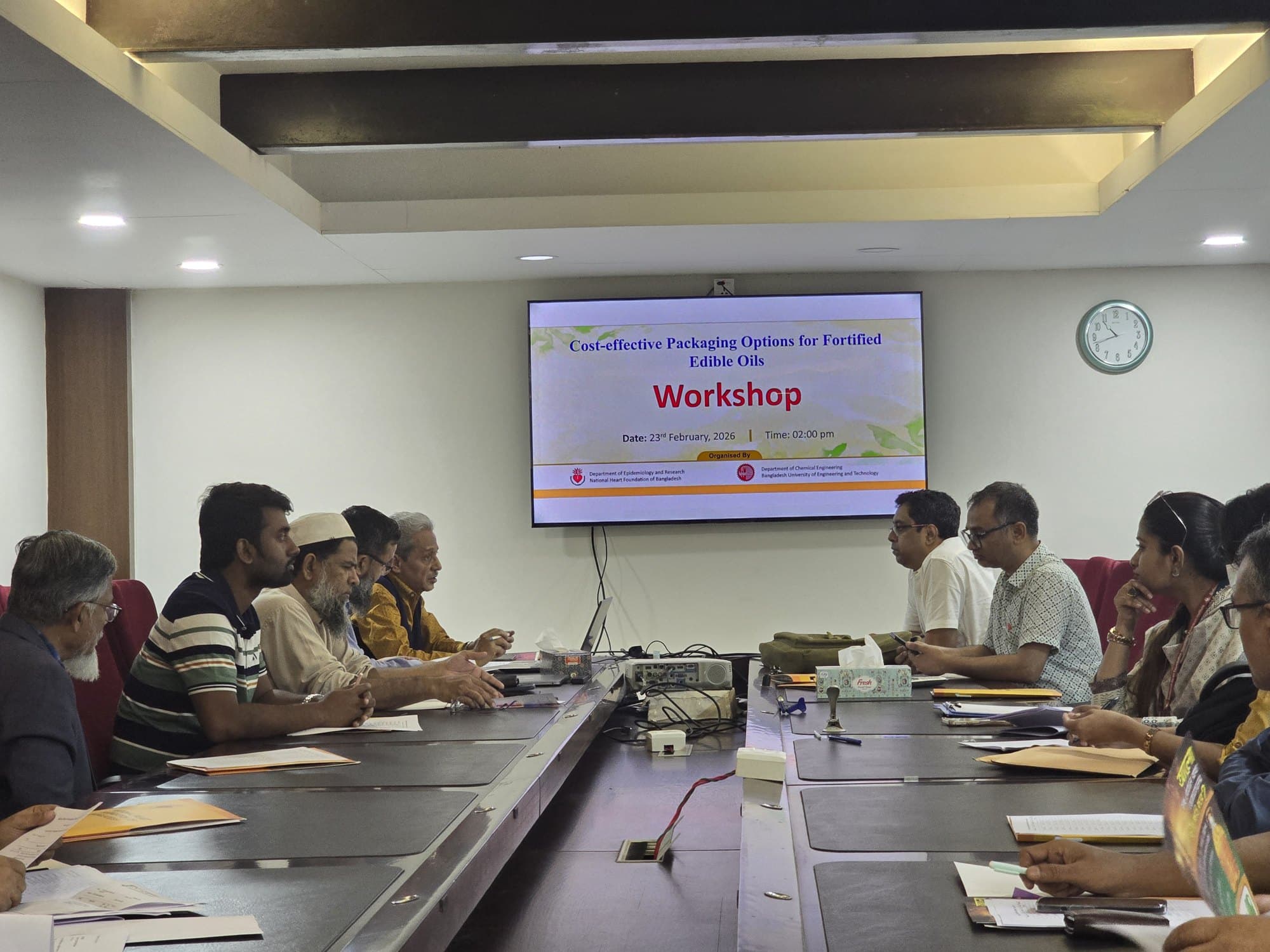
23 February 2026Workshop with BUET on packagingFinding cost-effective packaging options for fortified edible oils with the Bangladesh University of Engineering and Technology. 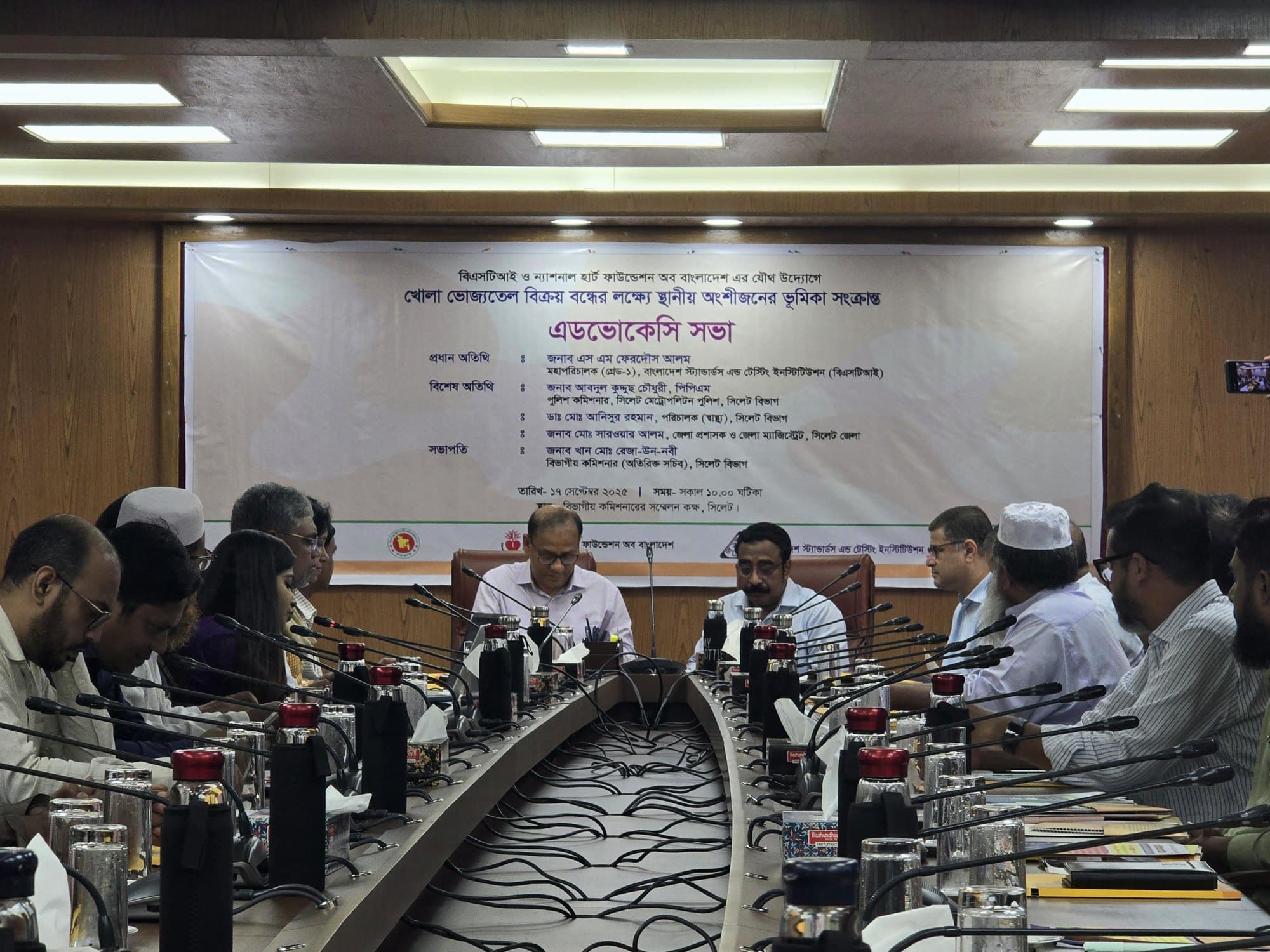
17 September 2026District meeting in SylhetWith local influencers, on their role in stopping the sale of loose edible oil. 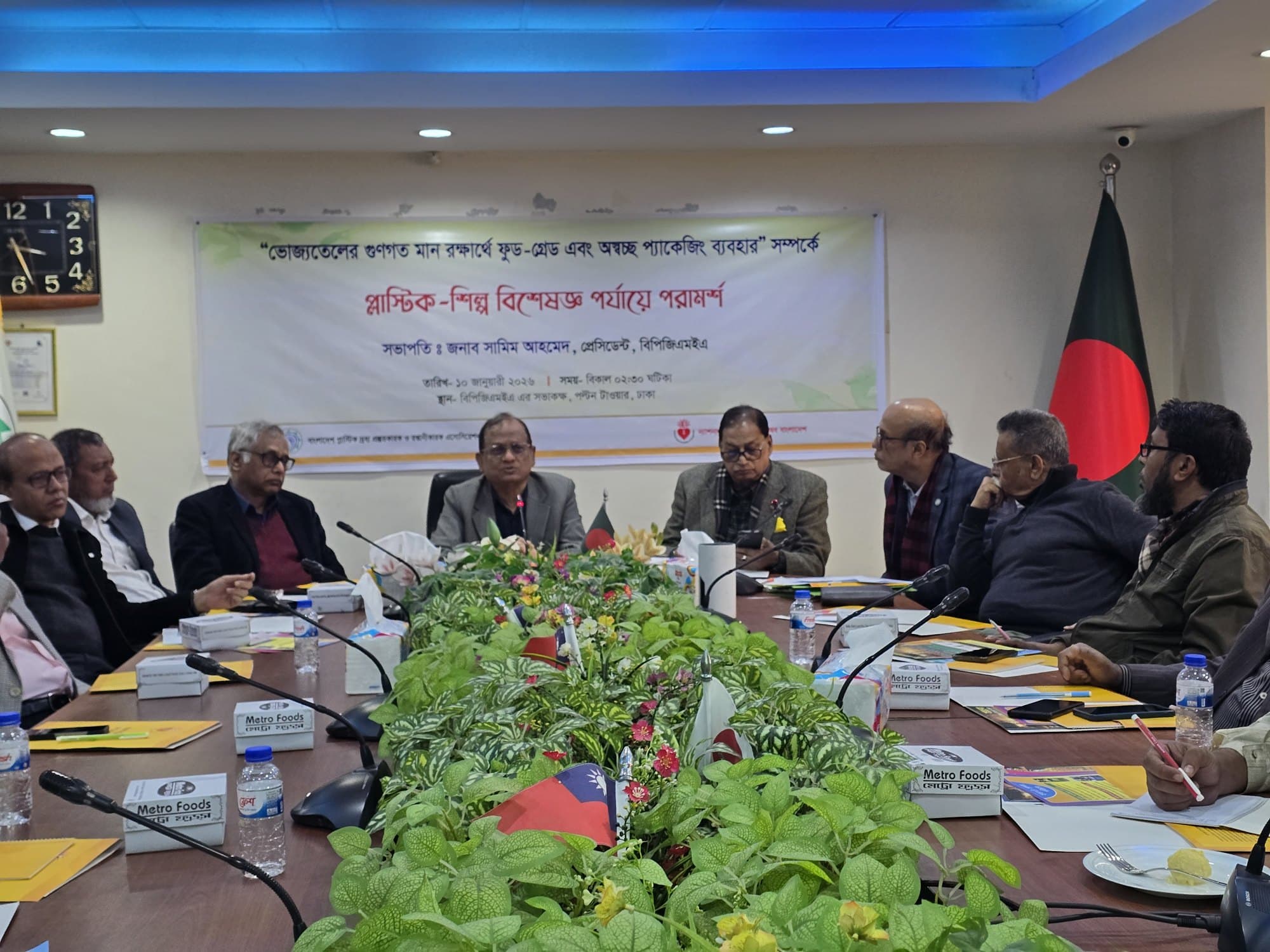
OngoingPlastic expert panelMeetings on the use of food-grade and opaque packaging to protect the quality of fortified edible oils.
04In the press
Roundtables and coverage
The program convenes roundtables with national newspapers and takes part in television discussions, so that the case for fortified, packaged oil reaches the public as well as policymakers.
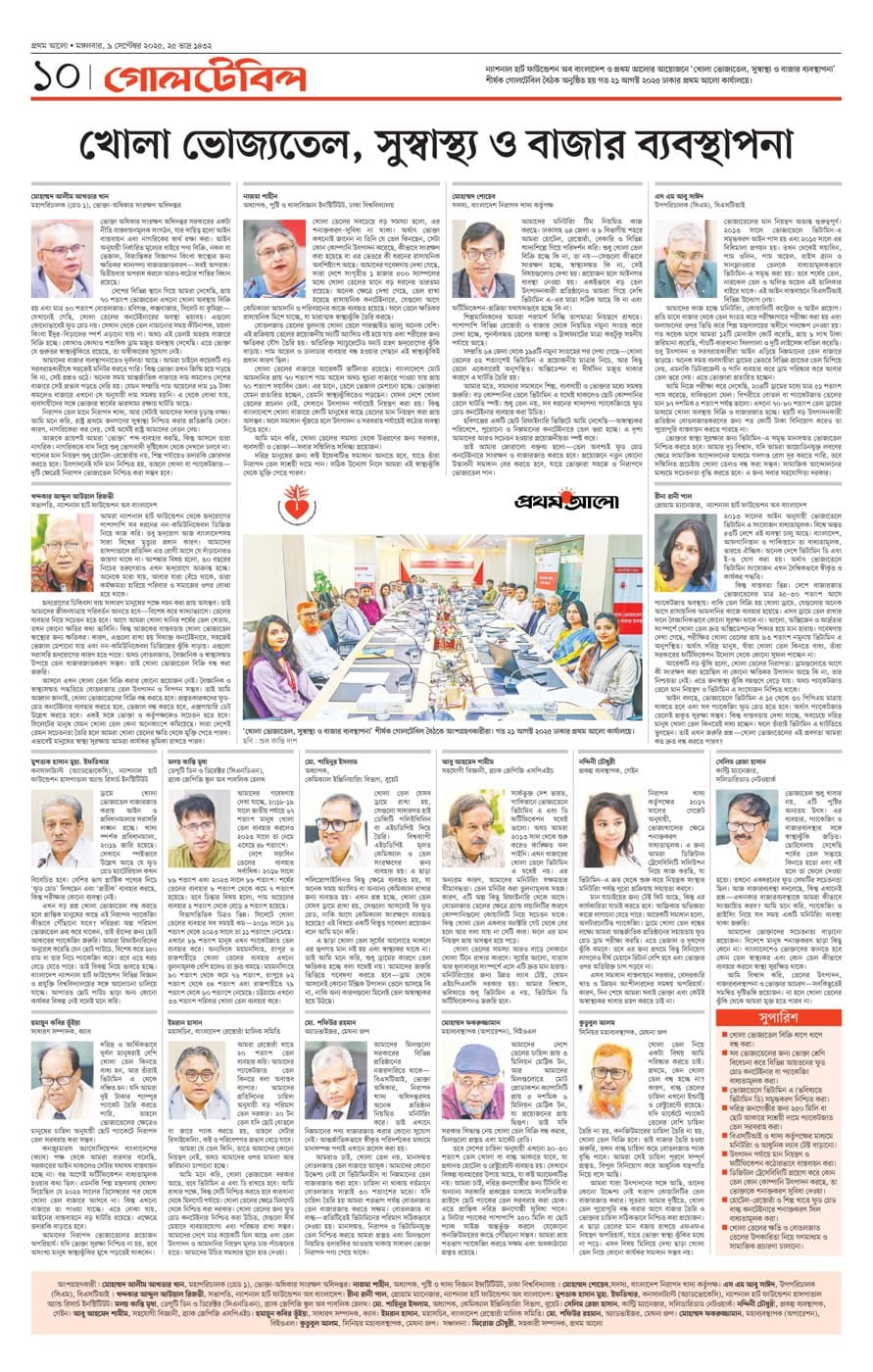
Prothom AloRoundtable: loose edible oil, public health and market managementRead 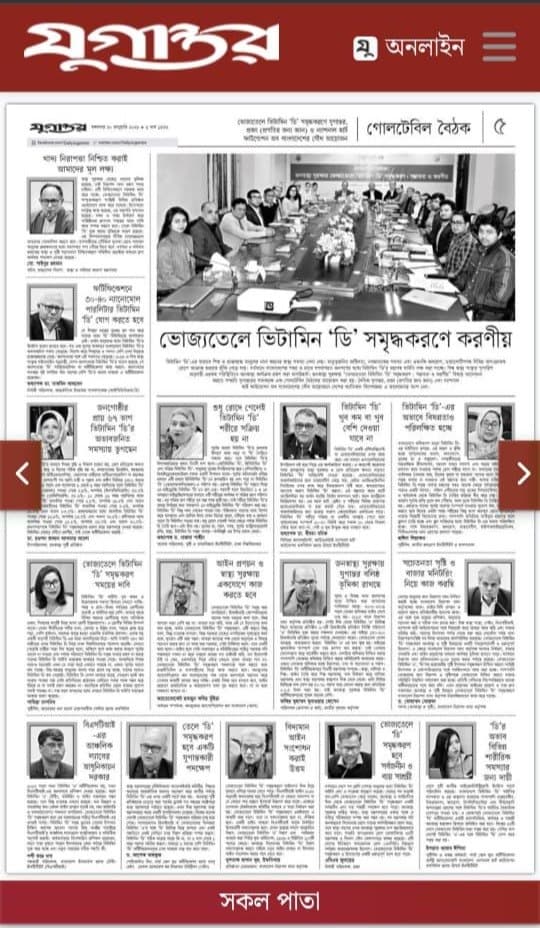
JugantorRoundtable: fortification of vitamin D in edible oilsRead 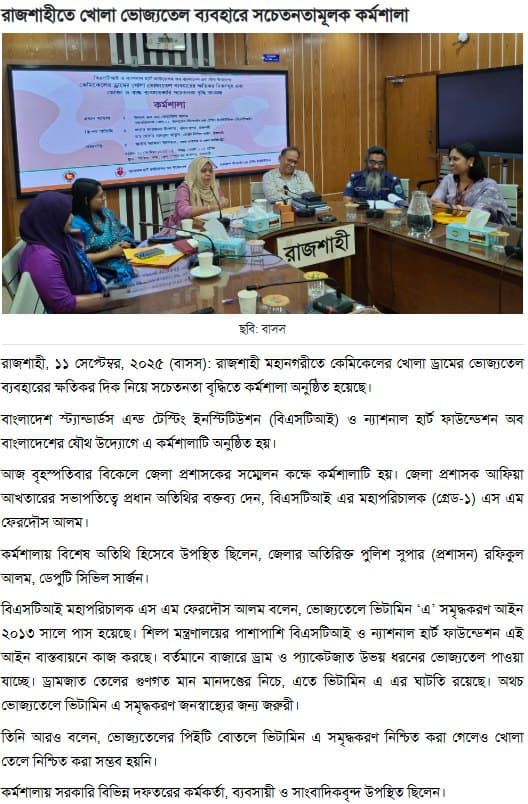
Press coverageDistrict meeting, Rajshahi 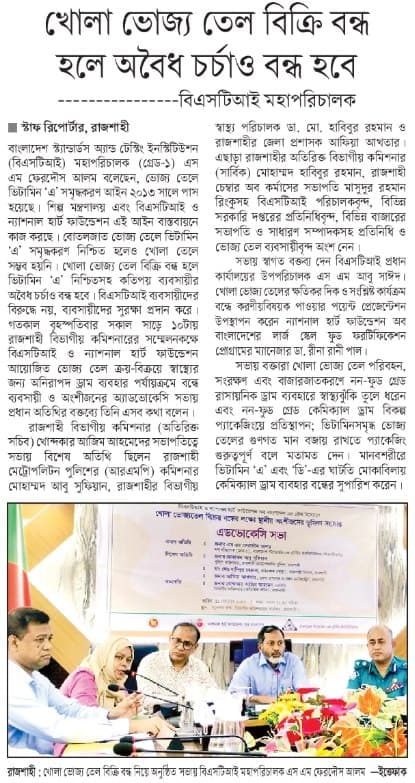
Press coverageDistrict meeting, Sylhet
খোলা ভোজ্যতেল বিক্রি বন্ধে কঠোর হওয়ার আহ্বান খাদ্য প্রতিমন্ত্রীর
The State Minister for Food calls for strict action to stop the sale of loose edible oil, at the Joypurhat district advocacy meeting organised by the Bangladesh Food Safety Authority with the National Heart Foundation of Bangladesh.
শহরবাসীর দেহে ভিটামিন ডির অভাব তীব্র
Severe vitamin D deficiency among urban residents.
On television
05Team
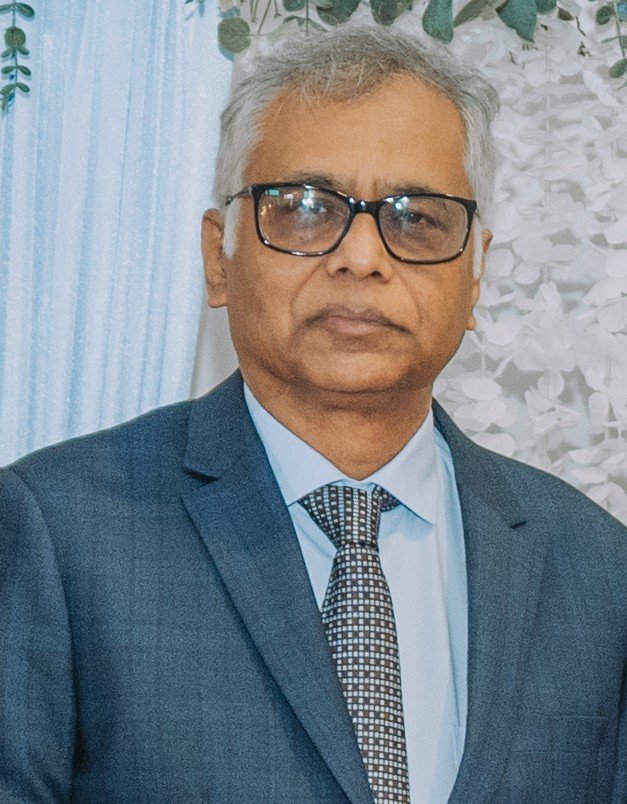
The people running the program



06Funding and partners
Supported by the Gates Foundation
- Funder
- Gates Foundation
- Grant
- INV-044975
- Period
- May 2023 to October 2026
- Implementer
- National Heart Foundation of Bangladesh, Department of Epidemiology and Research
The program works alongside the government bodies that set and enforce the rules for edible oil, and with academic partners on the technical questions of testing and packaging.
- Ministry of Industries
- Ministry of Food
- Bangladesh Standards and Testing Institution (BSTI)
- Directorate of National Consumer Rights Protection (DNCRP)
- Bangladesh University of Engineering and Technology (BUET)
07Work with us
Help close the market to loose oil.
Regulators, refiners, packaging manufacturers, researchers and journalists all have a part in this. If you would like to collaborate on fortification, testing or public awareness, write to the department.