
ProgramsTobacco cessation counselling by nurses
Nurses want to help patients quit. Few are equipped to.
This study assessed what nurses at Bangladesh's primary health care facilities know about tobacco cessation counselling and what they actually do. Despite moderate exposure to training, the gap between knowledge and practice persists: the barriers are limited training, time and workforce shortages.
A completed study, April to November 2023, by the Department of Epidemiology and Research with the Bangladesh Center for Communication Programs, supported by the Institute for Global Tobacco Control at the Johns Hopkins Bloomberg School of Public Health.
- 328
- Nurses interviewed, all trained in NCD care
- 55
- Upazila health complexes, in all eight divisions
- 11.9%
- Had adequate knowledge of cessation counselling
- 20.7%
- Practised counselling following the 5A approach
01Why nurses
The front line of cessation is the NCD corner
Tobacco use is a leading cause of cardiovascular disease, cancer and respiratory illness in Bangladesh, in both smoked and smokeless forms. As a signatory to the WHO Framework Convention on Tobacco Control, the country has committed under Article 14 to offer help to people who want to quit. In practice that help is mostly limited to brief counselling at primary health care facilities.
Those facilities have NCD corners staffed by nurses who screen and counsel patients for risk factors, tobacco among them. With more than 50,000 registered nurses in the health system, and frequent, trusted contact with patients, nurses are the people best placed to turn a routine visit into a quit attempt.
Yet, although WHO protocols and NCD training exist, nobody had measured how well nurses know them or whether they use them. This study set out to do that, and to identify what stands in the way.
02How the study was done
Three ways of looking at the same corner
01
Survey
Face-to-face structured interviews with 328 registered nurses trained in NCD care, working at 55 upazila health complexes selected across the eight divisions. The questionnaire covered personal details, knowledge of tobacco-related disease, knowledge of cessation, counselling practice, and the 5A protocol.
02
Key informant interviews
Ten interviews with policy experts, upazila health and family planning officers and nursing supervisors, on the challenges nurses face and why the knowledge-practice gap persists among trained staff.
03
Observation
Visits to selected facilities during peak hours to watch counselling as it happens, using a standard checklist, so that reported practice could be checked against real practice.
03What the nurses told us
Willing, partly trained, rarely following the protocol
Nearly nine in ten nurses were women, with an average age of 34. Almost all had never used tobacco themselves. Three quarters held a nursing diploma.
73.8%
of the nurses had received training in tobacco cessation, and 68.6% had been trained on the WHO 5A approach (ask, advise, assess, assist, arrange).
98.2%
said they were willing to help patients who wanted to quit, and 80.8% reported counselling such patients themselves.
87.1%
used brief advice and counselling to motivate patients to quit. Just under two in five (39%) said they applied the 5A approach.
11.9%
had adequate knowledge when scored on tobacco-related disease, cessation theory and the 5A protocol.
20.7%
actually practised counselling that followed the 5A approach. The gap between what nurses know and what they do was the study's central finding.
Advise and arrange
were the steps most nurses managed. Cessation advice was usually folded into hypertension visits rather than given as a dedicated session.
What gets in the way
- Too little time and heavy workloads at NCD corners
- A shortage of skilled staff and of nurses overall
- No dedicated training programme on cessation counselling
- Almost no cessation content in undergraduate nursing curricula and training materials
- Few resources and no protected space for counselling
What it means
Knowledge alone does not produce counselling. Nurses who had been trained still tended to give advice in passing, during hypertension follow-up, and to stop at the easiest steps of the protocol. The key informants were clear that without dedicated time, staff and locally adapted materials that teach behaviour change as well as facts, the pattern will not shift.
04What should change
Six recommendations, and one policy ask
Bangladesh already has the commitment, under FCTC Article 14, and the workforce. The study's recommendations are about turning both into routine practice.
01
Revise medical education curricula and refine training materials so health providers gain proficiency in cessation counselling.
02
Include tobacco dependence treatment in the nursing education curriculum.
03
Build nurses' confidence through specialised training focused on cessation counselling.
04
Develop NCD-oriented training materials that integrate cessation with NCD management counselling, and consider dedicated cessation nurses or counsellors at upazila health complexes.
05
Enrich training materials with health education and behaviour change content.
06
Formulate national guidelines for tobacco cessation counselling, giving every facility a standard framework.
Policy implication
Bring every health facility under a government policy that mandates brief cessation counselling for each patient who seeks care, backed by a national guideline on tobacco cessation counselling for health providers and by education modules and training materials built for the purpose.
05Study team
Who did the work

Dr. Jubaida Akhtar
Principal Investigator
Research Medical Officer, Department of Epidemiology and Research
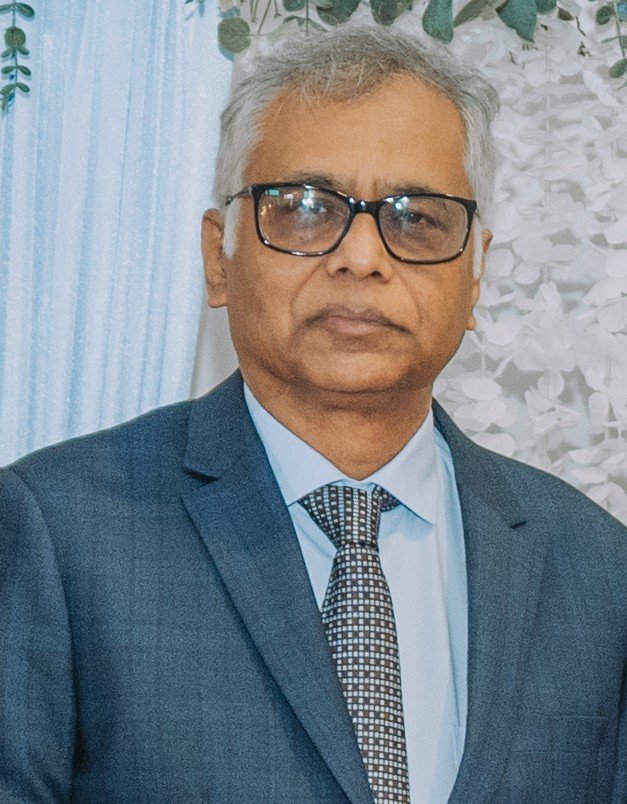
Prof. Sohel Reza Choudhury
Mentor
Head, Department of Epidemiology and Research
- Dr. Ahmad Khairul Abrar
- Co-Investigator, Department of Epidemiology and Research
- H.M. Miraz Mamudh
- Partner team, Bangladesh Center for Communication Programs
06Related
Part of the department's tobacco work.
The study fed directly into the department's next step: piloting Bangladesh's first tobacco quitline, so that nurses at NCD corners have somewhere to refer patients who want to quit.